V&A
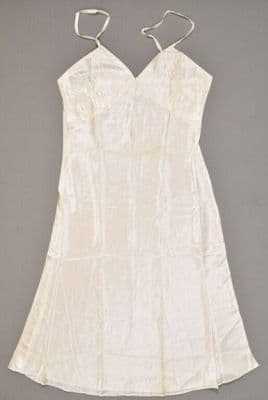
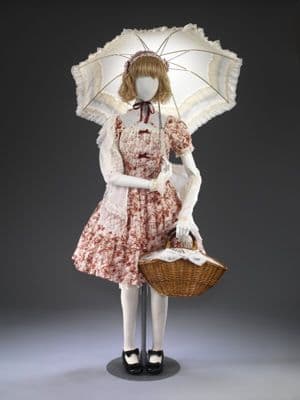
White Cotton Polyester Lolita Petticoat
2000s · 2000s · Japanese
Designer
Yumi Fujiwara at Innocent World
Production
ready-to-wear
Material
polyester and cotton blend
Culture
Japanese
Movement
Lolita fashion · Indie Sleaze
Influences
Victorian children's dress · Rococo court fashion
This Japanese Lolita fashion ensemble features a white cotton blouse with puffy sleeves and lace trim, paired with a dusty rose floral print jumper skirt. The silhouette is created by a substantial petticoat underneath, producing the characteristic bell shape fundamental to Lolita fashion. The skirt falls to mid-calf length with a fitted bodice and full gathered skirt. White knee-high socks, black Mary Jane shoes, and a white lace parasol complete the coordinate. The floral print appears to be small roses scattered across the fabric. This represents the Sweet Lolita substyle with its emphasis on childlike innocence, pastel colors, and Victorian-inspired silhouettes reinterpreted through contemporary Japanese street fashion.
skirta-lineknee length
Connected To
Influences·Victorian children's dress
SHARED10 years · cross-culture · cross-category
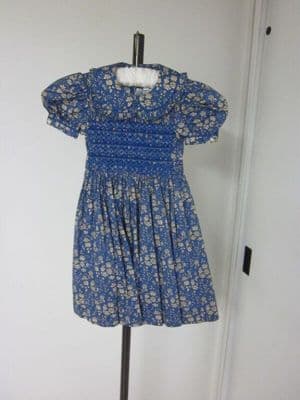
The smocked bodice of that blue cotton dress carries the same DNA as the Lolita's ruffled petticoat — both are mining Victorian childhood for its promise of protected innocence, though one does it through Japanese street fashion's deliberate infantilization and the other through Britain's unbroken tradition of dressing children like small Edwardians.
Pull the Thread→
Follow this garment wherever the graph leads