V&A
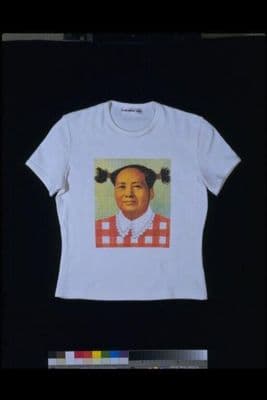
White Cotton Mao Pop Art Graphic T-Shirt
1990s · 1990s · Hong Kong
Production
mass-produced
Material
printed cotton
Culture
Hong Kong
Movement
Pop Art · Grunge
Influences
Andy Warhol pop art portraits · Cultural Revolution propaganda imagery
A white cotton t-shirt featuring a large printed graphic of Chairman Mao Zedong's portrait rendered in pop art style with yellow skin tones and red background elements. The image appears to be screen-printed onto the front of the garment, creating a bold political statement piece typical of 1990s streetwear culture. The t-shirt has a classic crew neckline and short sleeves with a standard relaxed fit. This represents the intersection of political iconography with commercial fashion, reflecting Hong Kong's unique cultural position during the 1990s transition period.
top/t-shirt/sweatshirtregular fitcrew neckhip length
Connected To
Movement·Pop ArtMotif·figurative
SHARED20 years · cross-culture · cross-category
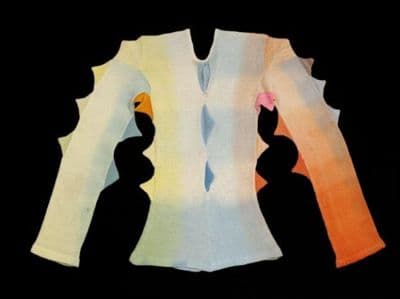
That white tee with its deadpan Mao portrait and the cream sweater's shadowy animal silhouettes both traffic in pop art's favorite trick: taking recognizable imagery and making it strange through repetition and unexpected placement. The Mao shirt does it with political iconography turned consumer object, while the sweater transforms what looks like zoo animals into decorative motifs that read almost like inkblot tests against the pale knit.
Pull the Thread→
Follow this garment wherever the graph leads