V&A
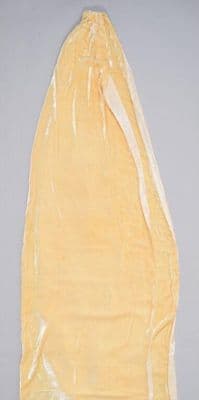
Cream Silk Jersey Velvet Wedding Train
Great Depression · 1930s · Filipino
Production
handmade
Material
silk jersey velvet
Culture
Filipino
Influences
European bridal traditions · Asian silk trade luxury
This cream-colored wedding train demonstrates the luxurious textile traditions of 1930s Manila. The silk jersey velvet creates a fluid, heavy drape that would have extended dramatically behind the bride's gown. The train appears to be cut in a simple elongated shape, allowing the rich texture of the velvet to be the primary visual element. The ivory taffeta lining would have provided structure and prevented the jersey velvet from clinging inappropriately. The construction reflects the colonial period's blend of European wedding traditions with local Filipino craftsmanship and access to Asian silk trade routes. The substantial length and quality materials indicate this was made for an affluent family's wedding ceremony.
dressfloor length
Connected To
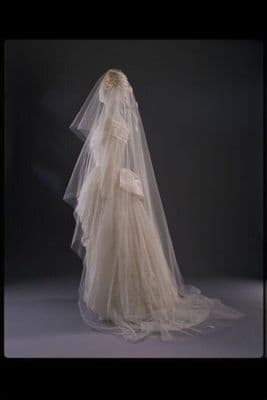
Worn with·undergarmentsWorn with·wedding gownFunction·wedding
SHARED50 years · cross-culture · cross-category
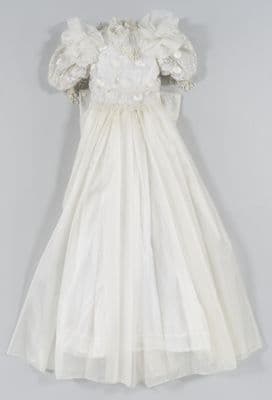
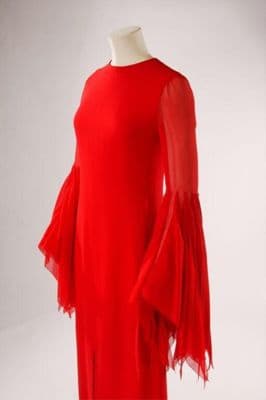
These two pieces reveal how bridal grandeur adapts to its moment while clinging to the same essential promise of transformation. The Depression-era silk jersey velvet train pools in buttery folds that speak to pre-war luxury made precious by scarcity—this is opulence that knows its own fragility, every gathered inch a small defiance.
Text57%
Image73%
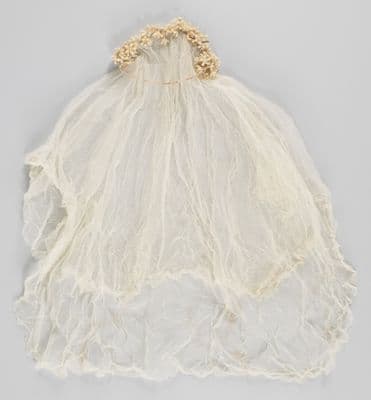
Worn with·wedding gownFunction·wedding
SHAREDsame era · cross-culture · cross-category
These two pieces capture how the Great Depression democratized bridal luxury through clever substitutions—the silk jersey velvet train achieves grandeur through sheer length and drape rather than costly embellishment, while the synthetic net veil mimics expensive handmade lace with its cascading tiers and floral appliqués.
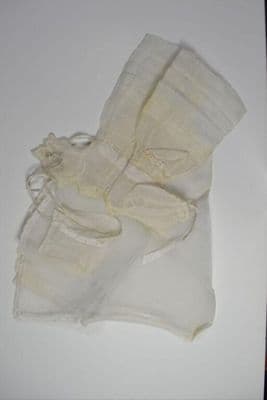
Worn with·undergarmentsFunction·wedding
SHARED20 years · cross-culture
Text61%
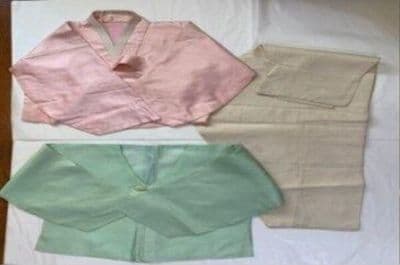
Worn with·undergarmentsTechnique·draping
SHARED50 years · cross-culture
Text44%
Pull the Thread→
Follow this garment wherever the graph leads