V&A
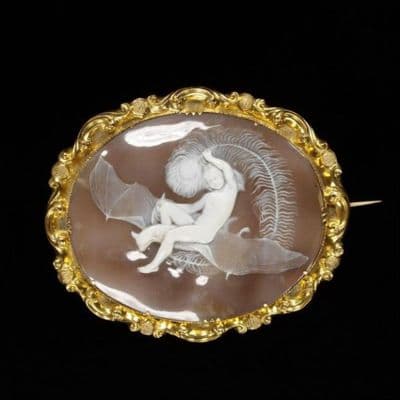
Shell Cameo Brooch Depicting Ariel Figure
Romantic · 1840s · English
Production
handmade
Material
shell cameo
Culture
English
Movement
Romantic Revival
Influences
classical cameo tradition · Shakespearean literary revival
An oval shell cameo brooch depicting Ariel, the spirit from Shakespeare's The Tempest, carved in relief against a brown shell background. The figure shows flowing hair and draped fabric rendered in pale cream tones through skilled shell carving. The cameo is set within an elaborate gold mounting featuring scrollwork and decorative elements typical of Romantic period jewelry. The piece demonstrates the Victorian fascination with literary themes and classical mythology, executed in the popular medium of shell cameo work that allowed for fine detail in the carved relief.
jewelry
Connected To
Movement·Romantic Revival
SHARED130 years · cross-culture · cross-category
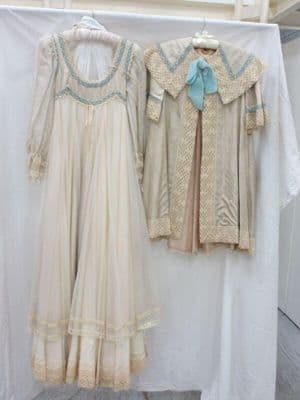
That Victorian shell cameo, with its ethereal winged figure carved in relief against dusky brown, captures the same Romantic obsession with otherworldly beauty that drives the 1970s evening ensemble's gossamer layers and empire waistline. Both pieces traffic in the language of escape—the cameo's mythological sprite literally takes flight while the chiffon dress, with its flowing sleeves and diaphanous fabric, seems to float rather than hang.
Text37%
Image57%
Entity26%
Movement·Romantic Revival
SHARED130 years · cross-culture · cross-category
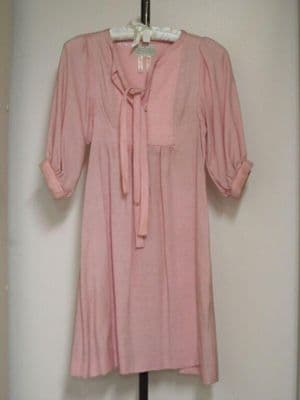
That Victorian cameo's carved Ariel—all windswept hair and ethereal grace—finds its echo in the silk dress's pussy bow ties, which flutter with the same romantic yearning for movement and softness. Both pieces traffic in a particularly English strain of romanticism that prizes the delicate over the bold: the cameo's shell-pink ground mirrors the dress's dusty rose exactly, as if one were the color memory of the other.
Text
Movement·Romantic Revival
SHARED130 years · cross-culture · cross-category
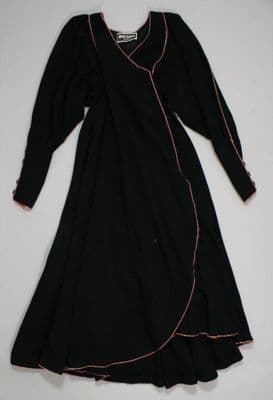
This Victorian shell cameo and 1970s Ossie Clark wrap dress are separated by 130 years but united by the same romantic rebellion against their respective eras' rigid formality.
Text29%
Movement·Romantic Revival
SHARED130 years · cross-culture · cross-category
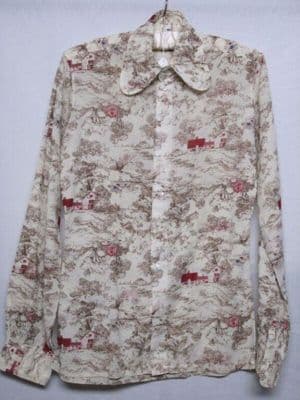
The Victorian cameo's carved Ariel—caught mid-flight with flowing hair and gossamer wings—shares the same romantic escapism as the '70s shirt's toile print, where pastoral scenes drift across cream cotton like daydreams. Both pieces traffic in fantasy, the cameo offering mythological transport while the shirt wraps its wearer in an idealized countryside that never quite existed.
Text
Echoes Across Time
Romantic → 1970s · 130yr59%
SHARED
That Victorian shell cameo, with its ethereal winged figure carved in relief against dusky brown, captures the same Romantic obsession with otherworldly beauty that drives the 1970s evening ensemble's gossamer layers and empire waistline. Both pieces traffic in the language of escape—the cameo's mythological sprite literally takes flight while the chiffon dress, with its flowing sleeves and diaphanous fabric, seems to float rather than hang.
Movement·Romantic Revival
Romantic → 1970s · 130yr
Pull the Thread→
Follow this garment wherever the graph leads