V&A
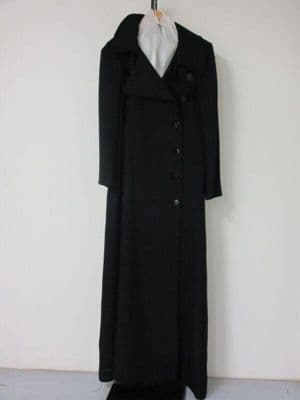
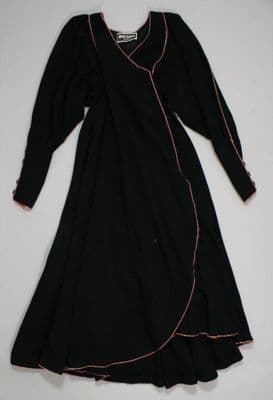
Black Wool Wrap Maxi Dress with Bee Buttons
1970s · 1970s · British
Designer
Bill Gibb
Production
ready-to-wear
Material
wool crepe
Culture
British
Movement
Romantic Revival · Hippie / Counterculture
Influences
medieval wrap garments · 1970s bohemian aesthetic
A black wool crepe maxi dress featuring a dramatic wrap-front closure with contrasting pink piping that traces the entire wrap edge from neckline to hem. The garment has long fitted sleeves and flows into a full-length skirt that appears to have asymmetrical hemline treatment. The wrap construction creates a deep V-neckline and allows the dress to drape naturally around the body. The pink contrast piping serves both as decorative element and structural definition, emphasizing the wrap's diagonal line across the torso. This represents Bill Gibb's romantic bohemian aesthetic that characterized early 1970s British fashion, combining medieval-inspired silhouettes with contemporary construction techniques.
dressa-linev-neckmaxi
Connected To
Movement·Romantic Revival
SHARED130 years · cross-culture · cross-category
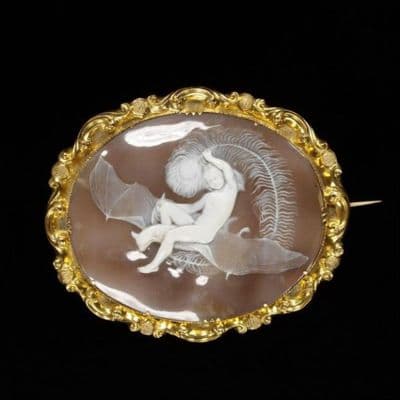
This Victorian shell cameo and 1970s Ossie Clark wrap dress are separated by 130 years but united by the same romantic rebellion against their respective eras' rigid formality.
Echoes Across Time
Romantic → 1970s · 130yr57%
SHARED
This Victorian shell cameo and 1970s Ossie Clark wrap dress are separated by 130 years but united by the same romantic rebellion against their respective eras' rigid formality.
Movement·Romantic Revival
1970s → 2020s · 50yr48%
LINEAGE
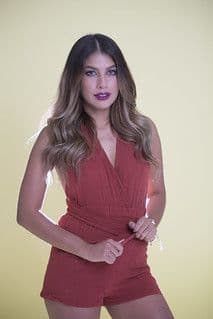
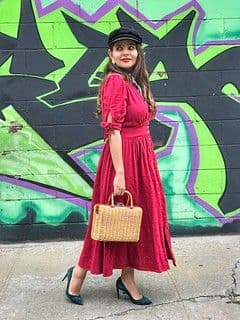
The black wool wrap from the '70s and today's red cotton midi are separated by five decades but joined by the same essential gesture: fabric that curves around the body and ties at the waist, creating that universally flattering silhouette Diane von Furstenberg made famous.
Pull the Thread→
Follow this garment wherever the graph leads