THE MET
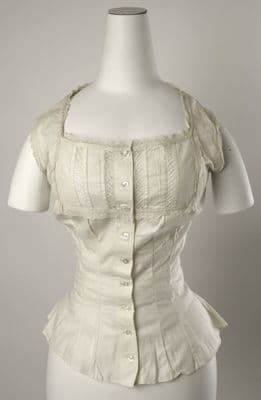
White Cotton Fitted Corset Cover with Puffed Sleeves
Victorian Late / Bustle · 1880s · American or European
Production
handmade
Material
cotton
Culture
American or European
A white cotton corset cover featuring a fitted bodice with square neckline and short puffed sleeves. The garment displays intricate quilted or tucked detailing across the bust area in geometric patterns. A center front button closure runs from neckline to waist. The waistline is defined by a gathered or pleated peplum that flares slightly over the hips. The construction shows fine hand-sewing typical of Victorian undergarments, with careful attention to shaping and modesty. This piece would have been worn over a corset to provide a smooth layer beneath outer garments while protecting delicate fabrics from direct contact with the rigid corset structure.
shirt/blousetight fitsquare necklinehip length
Connected To
62%
Worn with·bustle padWorn with·chemiseWorn with·corset
SHAREDsame era · cross-culture · cross-category
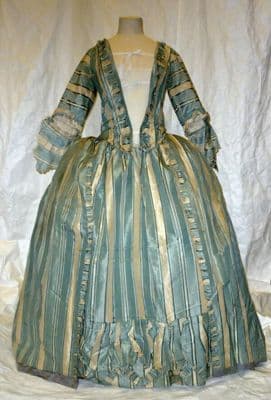
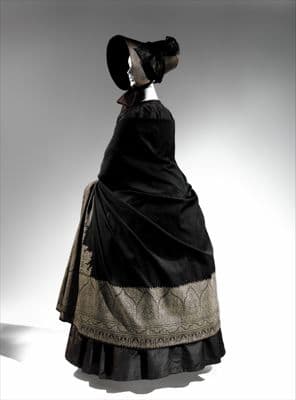
The black silk taffeta dress and white cotton corset cover represent the Victorian woman's daily armor and her most intimate layer—both engineered around the same rigid corset that created that distinctive S-curve silhouette. While the dress announces respectability with its severe black fabric and decorative braid trim, the corset cover whispers practicality, its quilted cotton panels and neat button front designed to protect expensive outer garments from perspiration and body oils.
61%
Worn with·bustle padWorn with·chemiseWorn with·corset
SHARED10 years · cross-culture · cross-category
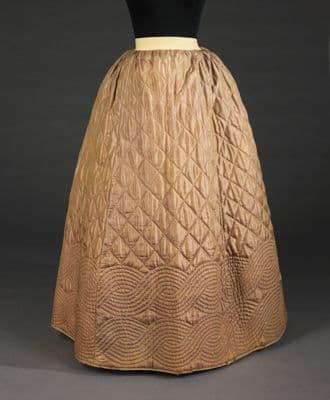
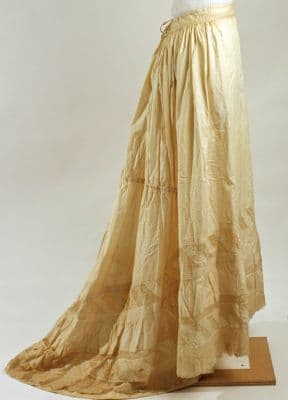
These two pieces reveal the Victorian obsession with architectural undergarments that literally built the female silhouette from the inside out. The corset cover's precise quilted channels and button-front closure mirror the bustle petticoat's engineered tiers and drawstring waistband—both are exercises in structural couture, designed to smooth, lift, and project the body into an impossible hourglass crowned by a shelf-like posterior.
Worn with·chemiseWorn with·corset
SHARED20 years · cross-culture · cross-category
Text74%
48%
Worn with·chemiseWorn with·corset
SHARED60 years · cross-culture · cross-category
Text62%
Pull the Thread→
Follow this garment wherever the graph leads