2000s · 2010s · Western
Production
ready-to-wear
Material
cotton blend
Culture
Western
Movement
New Look · Indie Sleaze
Influences
Christian Dior New Look silhouette
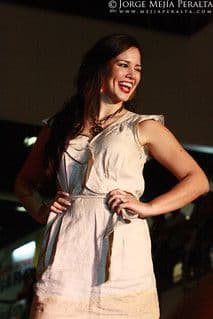
A sleeveless A-line dress featuring a fitted bodice that transitions into a moderately flared skirt hitting at knee length. The garment appears to be constructed from a lightweight cotton blend fabric in cream or pale beige. The neckline is a simple scoop cut, and the armholes are finished with clean edges. A contrasting belt or sash in a darker tone cinches the natural waistline, creating the characteristic New Look silhouette with its emphasis on a defined waist and feminine proportions. The construction appears to be machine-sewn with clean, commercial finishing typical of ready-to-wear garments from the post-war period.
Both dresses drink from the same well of mid-century feminine architecture, but fifty years apart they reveal how the New Look's revolutionary silhouette became fashion's most enduring template. The cream tunic updates Dior's cinched-waist, full-skirted formula with casual sleeveless ease and a relaxed belt, while the golden yellow dress stays faithful to the original's strapless bodice and dramatic A-line sweep that made women look like flowers after years of wartime austerity.


Both dresses drink from the same well of mid-century feminine architecture, but fifty years apart they reveal how the New Look's revolutionary silhouette became fashion's most enduring template. The cream tunic updates Dior's cinched-waist, full-skirted formula with casual sleeveless ease and a relaxed belt, while the golden yellow dress stays faithful to the original's strapless bodice and dramatic A-line sweep that made women look like flowers after years of wartime austerity.

Follow this garment wherever the graph leads
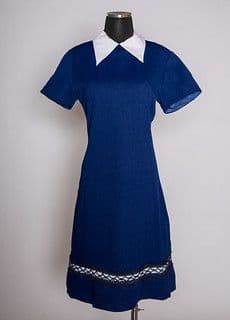
Both dresses speak the language of Dior's New Look, but with a half-century gap that shows how revolutionary ideas become everyday grammar. The 1950s navy dress delivers the full Dior doctrine—that cinched waist, the flared skirt that promises to swirl, the crisp white collar that frames the face like a portrait—while the cream 2000s tunic takes just the essential notes: the A-line sweep and fitted bodice, but loosened into something you could actually move in.
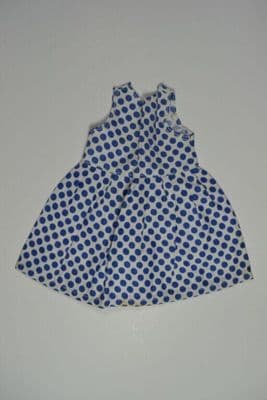
The cream tunic's soft A-line and nipped waist echo the DNA of Dior's New Look, but stripped of its formality—what was once revolutionary structure for postwar optimism has become easy daywear pragmatism. The polka-dot dress, closer to the 1947 source, still carries that original defiant femininity with its full skirt and fitted bodice, while the modern piece translates the same proportions into something you'd grab for errands.
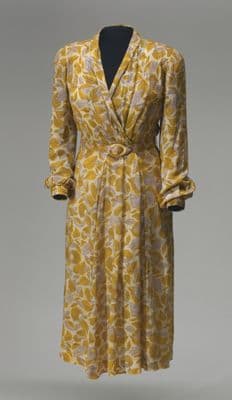
These two dresses speak across six decades through the DNA of Dior's New Look—that revolutionary 1947 silhouette that democratized elegance and traveled from Paris salons to American sewing rooms. Rosa Parks' golden floral wrap dress, with its fitted bodice and full skirt that pools gracefully at mid-calf, carries the same proportional magic as the cream sleeveless number: both cinch the waist and let fabric bloom outward in that distinctly feminine hourglass that Dior gifted to the world.

Both dresses speak the language of Dior's New Look, but with a half-century gap that shows how revolutionary ideas become everyday grammar. The 1950s navy dress delivers the full Dior doctrine—that cinched waist, the flared skirt that promises to swirl, the crisp white collar that frames the face like a portrait—while the cream 2000s tunic takes just the essential notes: the A-line sweep and fitted bodice, but loosened into something you could actually move in.