FASHIONPEDIA
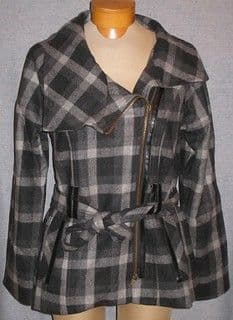
Oversized Charcoal Gray Plaid Wool Blazer
1980s · 1980s · Western
Production
ready-to-wear
Material
wool blend
Culture
Western
Movement
Power Dressing
Influences
menswear tailoring · Scottish tartan patterns
An oversized blazer featuring a bold black, white, and charcoal gray plaid pattern in a large-scale check. The jacket displays the characteristic boxy silhouette of 1980s power dressing with exaggerated shoulder width and loose-fitting torso. Construction includes notched lapels, a wrap-style front closure with tie belt, and what appears to be patch pockets. The wool blend fabric has a substantial weight typical of structured outerwear. The oversized proportions and geometric plaid pattern reflect the decade's embrace of bold, masculine-inspired tailoring for women's professional wear.
jacketregular fithip length
Connected To
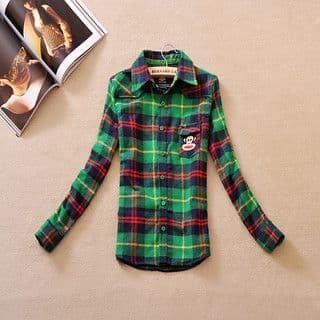
Influences·Scottish tartan patternsTechnique·machine-weaving
SHARED10 years · cross-culture · cross-category
These two pieces trace plaid's journey from Highland ceremony to American casualwear, but what's striking is how both designers understood tartan's inherent drama. The 1980s blazer takes the formal route—that oversized silhouette and structured shoulders turn Scottish heritage into power dressing, while the belt transforms traditional plaid into something almost robe-like and ceremonial.

Pull the Thread→
Follow this garment wherever the graph leads