SMITHSONIAN
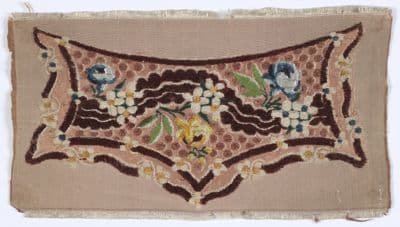
Beige Silk Velvet Waistcoat Pocket with Needlework
Baroque · 1700s · French
Production
handmade
Material
silk velvet
Culture
French
This waistcoat pocket displays characteristic 18th-century French decorative needlework on a beige silk velvet ground. The central motif features symmetrical floral sprays with blue and white flowers flanking a brown foliate design. The embroidery employs silk threads in multiple colors including browns, blues, greens, and cream tones. The pocket's curved upper edge follows the typical waistcoat construction of the period, with a scalloped border treatment. The needlework technique appears to be surface embroidery with satin stitches and French knots creating dimensional texture. This type of ornamental pocket would have been sewn inside a gentleman's waistcoat, representing the refined decorative sensibilities of Rococo fashion where even hidden elements received elaborate artistic treatment.
vestregular fithip length
Connected To
Worn with·breechesWorn with·shirtWorn with·waistcoat
SHARED80 years · cross-culture · cross-category
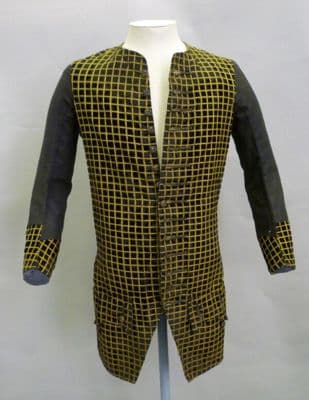
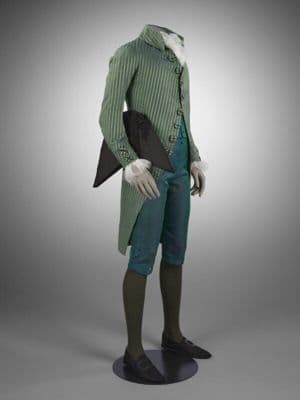
That baroque waistcoat pocket's riot of silk-embroidered flowers and serpentine vines speaks the same decorative language as the neoclassical coat's green satin stripes, just translated through different centuries of masculine restraint.
Text69%
Entity40%
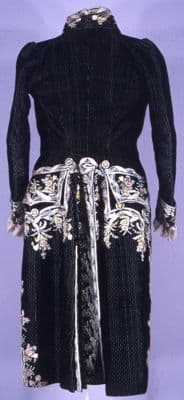
Worn with·breechesWorn with·waistcoatTechnique·hand-embroidery
SHARED70 years · cross-category
These two pieces reveal how French court embroidery evolved from Baroque exuberance to Rococo restraint, yet never abandoned its fundamental vocabulary of sinuous florals. The waistcoat pocket's dense needlework—those coiling vines and scattered blossoms worked in silk on silk—anticipates the formal coat's more disciplined silver embroidery that traces the garment's architectural lines with botanical precision.
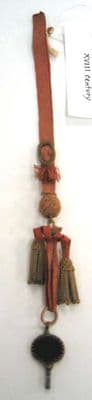
Worn with·breechesWorn with·waistcoatTechnique·hand-embroidery
SHARED40 years · cross-category
These two accessories reveal how French court fashion maintained its obsession with intimate luxury even as styles shifted from Baroque grandeur to Rococo delicacy. The waistcoat pocket's bold floral needlework in jewel tones speaks to an era when men's dress rivaled women's in chromatic intensity, while the watch fob's more restrained burgundy silk and gold tassels reflects the later period's preference for subtle richness over visual bombast.
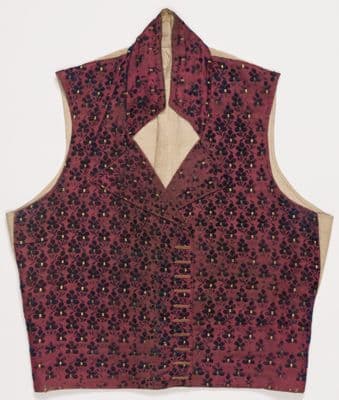
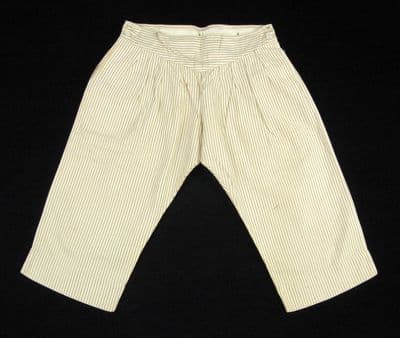
Worn with·breechesWorn with·shirt
SHARED100 years
These two waistcoat fragments reveal how French taste evolved from baroque exuberance to neoclassical restraint over a century. The earlier pocket flaunts its needlework florals like jewelry—sinuous vines and blooms worked in silk threads that catch light across the velvet ground, every surface a canvas for decoration.
Pull the Thread→
Follow this garment wherever the graph leads