THE MET
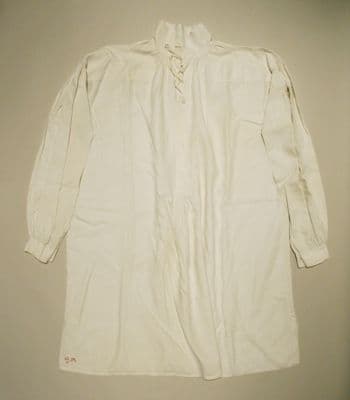
Cream Linen Cotton Smock Shirt with Standing Collar
Rococo · 1780s-1800s · American
Production
handmade
Material
linen cotton blend
Culture
American
Influences
European men's shirt construction
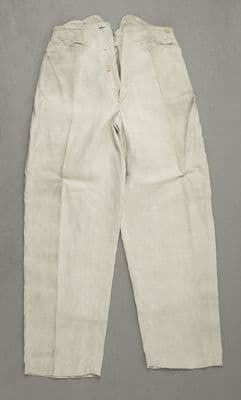
A cream-colored men's shirt displaying typical 18th-century construction with a high standing collar that closes with ties at the neck. The garment features full, gathered sleeves that taper to fitted wrists with button closures. The shirt front shows vertical pleating or pin-tucks running down the center, a common decorative element of the period. The overall silhouette is voluminous through the body and sleeves, designed to be worn beneath a waistcoat and coat. The linen-cotton blend fabric appears lightweight and practical for colonial American use, representing the adaptation of European shirt styles to New World materials and climate.
shirt/blouseloose fithigh neckhip length
Connected To
66%
Worn with·breechesWorn with·stockingsWorn with·waistcoat
SHARED60 years · cross-culture · cross-category
Echoes Across Time
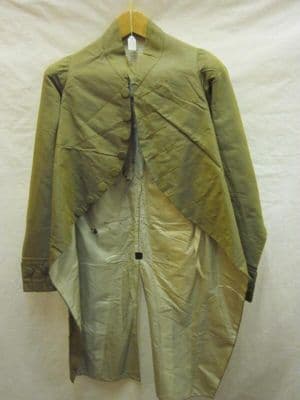
Rococo → Revolutionary / Directoire · 60yr66%
SHARED
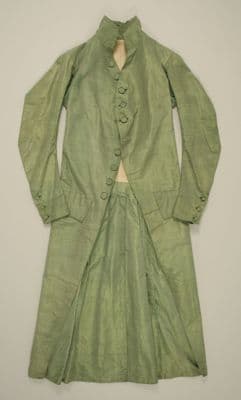
Both garments speak the same 18th-century language of masculine restraint, but the olive silk coat whispers where the linen shirt shouts. The American smock's billowing sleeves and generous cut reflect colonial practicality—this is a garment that expects to work—while the English frock coat's precise tailoring and lustrous silk announce leisure-class refinement.
Worn with·breechesWorn with·stockingsWorn with·waistcoat
Pull the Thread→
Follow this garment wherever the graph leads