FASHIONPEDIA
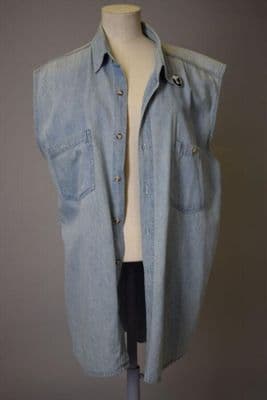
Light Blue Chambray Cotton Oversized Hip Shirt
2010s · 2010s · American
Production
ready-to-wear
Material
chambray cotton
Culture
American
Movement
Normcore
Influences
menswear shirting · 1990s minimalist oversizing
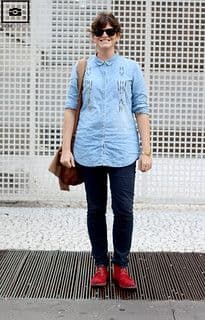
A light blue chambray cotton shirt worn as an oversized tunic-length garment. The shirt features a classic button-front closure, chest pocket, and rolled-up sleeves that reveal the casual styling approach. The relaxed fit extends well past the hips, creating a contemporary oversized silhouette typical of 2020s casual wear. The chambray fabric appears to be a medium-weight cotton with the characteristic blue-and-white woven texture. The garment is styled with dark navy jeans and red shoes, with a brown leather crossbody bag completing the ensemble. The overall look exemplifies the quiet luxury aesthetic's emphasis on understated, high-quality basics worn in an effortless manner.
shirtregularhip
Connected To

Influences·menswear shirtingMovement·Normcore
SHARED10 years · cross-culture · cross-category
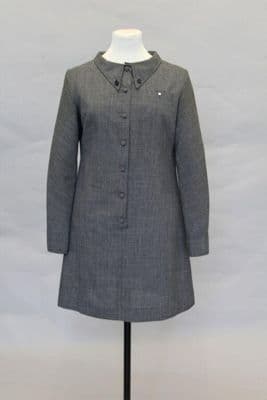
Both pieces mine the same vein of borrowed-from-the-boys ease, but they've traveled different distances from the menswear closet. The chambray shirt maintains its masculine coding intact—those utilitarian chest pockets, the crisp collar, the way it's styled almost apologetically over skinny jeans—while the charcoal shirt dress has been stretched and softened into something more ambiguous, its oversized proportions creating a cocoon that reads as deliberately feminine despite its menswear bones.
Pull the Thread→
Follow this garment wherever the graph leads