FASHIONPEDIA
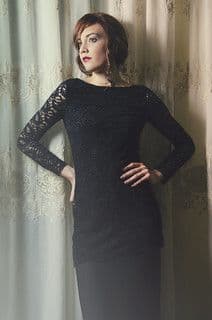
Black Lace Fitted Sheath Dress
2020s · 2020s · Western
Production
ready-to-wear
Material
lace blend
Culture
Western
Movement
Quiet Luxury
Influences
1960s mod silhouette
A form-fitting black sheath dress constructed from intricate lace fabric with geometric and floral motifs. The dress features long fitted sleeves that extend to the wrists and a high neckline that sits close to the throat. The lace appears to be a blend fabric with a structured base that maintains the dress's precise silhouette while allowing the decorative openwork pattern to remain visible. The garment follows the body's natural contours without excess fabric, creating a sleek column silhouette that ends at knee length. The lace construction shows both geometric grid patterns and organic floral elements typical of contemporary lace design, with the black color providing sophisticated contrast against the skin.
dresssymmetricalmicro
Connected To
Influences·1960s mod silhouette
SHARED60 years · cross-culture
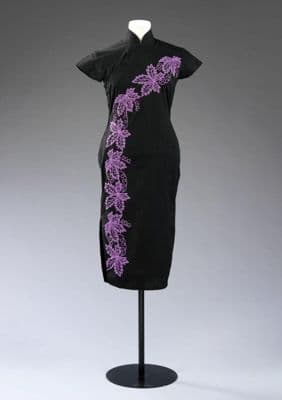
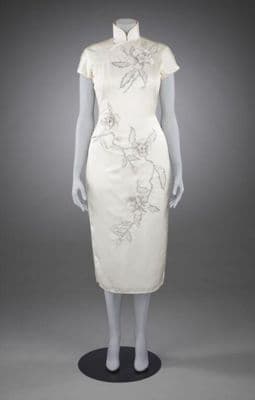
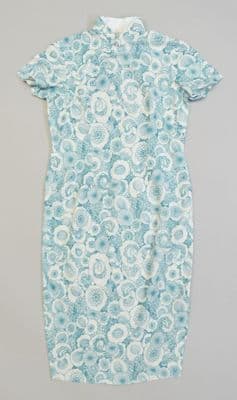
These two dresses reveal how the qipao's sleek, body-conscious silhouette migrated into Western fashion's DNA, surfacing decades later in unexpected forms. The 1970s Hong Kong qipao with its high neckline, fitted bodice, and knee-length hem established the template that the contemporary black lace dress echoes—same architectural precision, same celebration of the female form through strategic restraint.
Text
Echoes Across Time
2020s → 1970s · 60yr63%
SHARED
These two dresses reveal how the qipao's sleek, body-conscious silhouette migrated into Western fashion's DNA, surfacing decades later in unexpected forms. The 1970s Hong Kong qipao with its high neckline, fitted bodice, and knee-length hem established the template that the contemporary black lace dress echoes—same architectural precision, same celebration of the female form through strategic restraint.
Influences·1960s mod silhouette
2020s → 1970s · 60yr63%
Pull the Thread→
Follow this garment wherever the graph leads