V&A
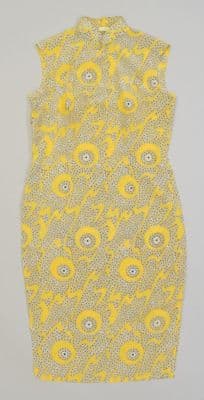
Bright Yellow Sleeveless Qipao with Geometric Pattern
1960s · 1960s · Hong Kong Chinese
Production
ready-to-wear
Material
synthetic fabric
Culture
Hong Kong Chinese
Movement
Space Age
Influences
traditional Chinese qipao · 1960s geometric modernism
A sleeveless qipao in bright yellow synthetic fabric featuring an all-over geometric pattern of interlocking circular motifs in white and black. The dress follows the classic cheongsam silhouette with a high mandarin collar, fitted bodice that follows the natural waistline, and straight skirt ending at knee length. The geometric pattern consists of repeating circular medallions with radiating spoke-like elements, creating a modernist interpretation of traditional Chinese decorative motifs. The synthetic fabric appears to have a smooth, possibly polyester finish typical of 1960s textiles. The sleeveless construction and simplified collar treatment reflect the period's move toward streamlined, practical garments while maintaining the qipao's essential structural elements.
dressstraighthigh neckknee length
Connected To
Influences·1960s geometric modernismMovement·Space Age
SHAREDsame era · cross-culture · cross-category
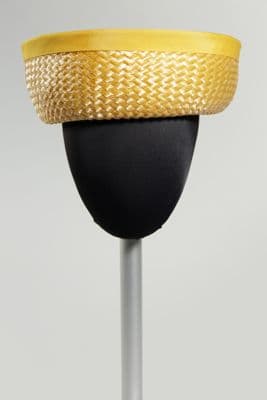
That pillbox hat's honeycomb weave and the qipao's interlocking circle print are both children of the 1960s obsession with geometric perfection—one tactile, one graphic, but both reducing ornament to pure mathematical rhythm. The hat's golden raffia creates texture through repetitive structure while the dress flattens the same modernist impulse into a bold two-dimensional pattern that transforms the traditional Chinese silhouette into something unmistakably Space Age.
Echoes Across Time
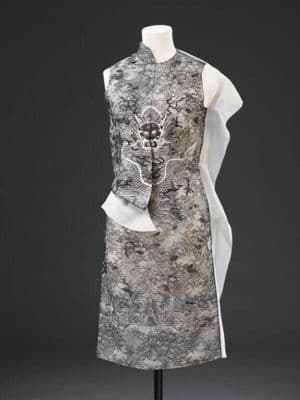
2000s → 1960s · 50yr57%
SHARED
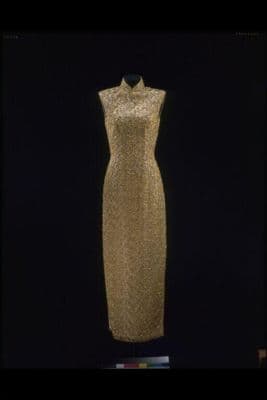
These two qipao reveal how a traditional silhouette can carry completely different cultural messages across five decades. The earlier yellow dress, with its crisp synthetic fabric and bold geometric florals, captures 1960s Hong Kong optimism—the qipao reimagined as modern daywear with a mandarin collar that sits close and confident.
Influences·traditional Chinese qipao
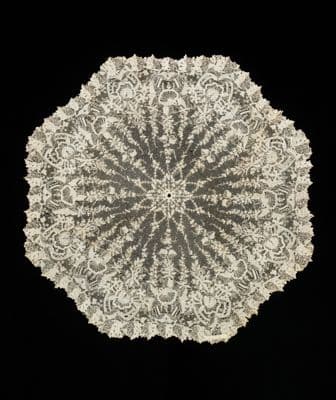
Victorian Late / Bustle → 1960s · 90yr38%
Pull the Thread→
Follow this garment wherever the graph leads