V&A
Steel Plate Armor Suit with Fluted Decoration
Elizabethan · 1570s · English
Production
artisan-craft
Material
steel plate
Culture
English
Influences
Greenwich armor workshop traditions · German fluted armor style
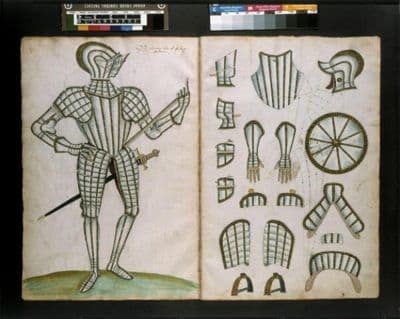
This technical illustration shows a complete suit of plate armor with articulated joints and fluted decoration. The armor features a close helmet, breastplate with vertical ridging, articulated arm and leg defenses, and sabatons for foot protection. The right page displays individual armor components including various helmet styles, gauntlets, and decorative elements. The fluted surfaces create linear patterns that both strengthen the metal and deflect blows. This represents the sophisticated metallurgy and engineering of Greenwich armorers during the Elizabethan period, when armor reached its technical pinnacle before firearms made it obsolete.
coatconstructed armorknee length
Connected To
Worn with·sword beltFunction·military-uniform
SHARED230 years · cross-culture · cross-category
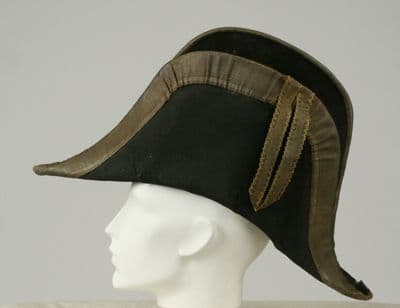
That bicorne's dramatic silhouette—with its knife-sharp front point and swept-back sides—carries the same theatrical authority as the fluted steel armor's geometric ridges and sculptural breastplate. Both pieces understand that military dress is performance art: the armor transforms a man into a walking fortress through its metallic gleam and architectural lines, while the hat, two centuries later, achieves similar psychological warfare through pure geometry and that commanding forward thrust.
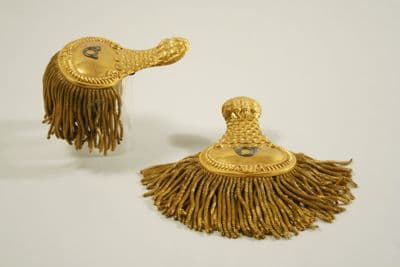
Technique·metalworkFunction·military-uniform
SHARED250 years · cross-culture · cross-category
Text63%
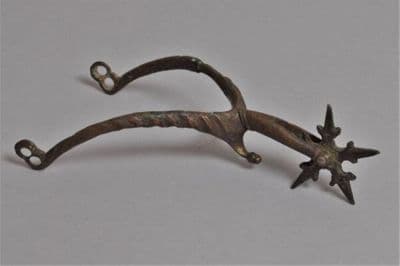
Technique·metalworkFunction·military-uniform
SHARED170 years · cross-culture · cross-category
Text46%
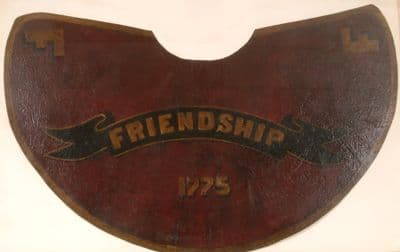
40%
Function·military-uniform
SHARED280 years · cross-culture
Text52%
Image
Pull the Thread→
Follow this garment wherever the graph leads