V&A
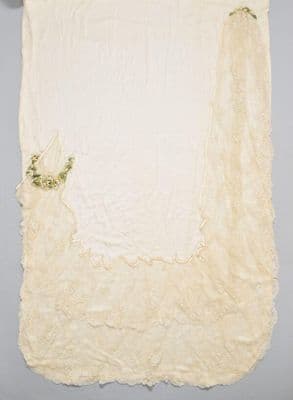
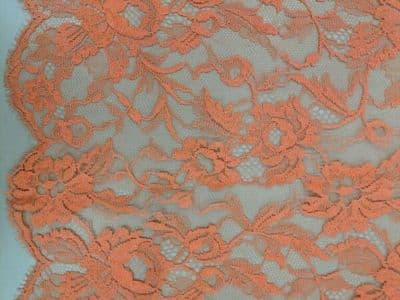
Salmon Pink Machine Lace Sari with Scalloped Edge
1970s · 1970s · Chinese
Production
mass-produced
Material
machine lace
Culture
Chinese
Movement
Hippie / Counterculture
Influences
European lace traditions · South Asian sari draping
This machine-made lace textile displays an intricate floral pattern in salmon pink against a sheer ground. The lace features densely worked botanical motifs with roses, leaves, and scrolling vines creating an all-over design. The scalloped edge treatment is characteristic of machine lace production. The weight appears lightweight and semi-transparent, suitable for draping as a sari. The coral-toned coloration and synthetic appearance suggest 1970s-80s production, likely from Chinese textile mills that specialized in export lace goods during this period. The floral density and romantic styling reflect the era's preference for ornate surface decoration in formal wear.
dress
Connected To
Movement·Hippie / CountercultureWorn with·blouseWorn with·petticoat
SHARED10 years · cross-culture
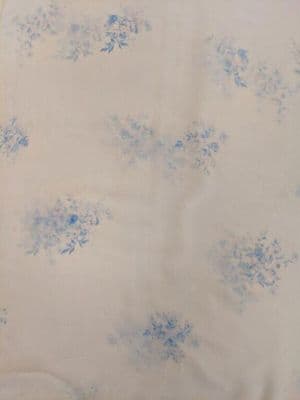
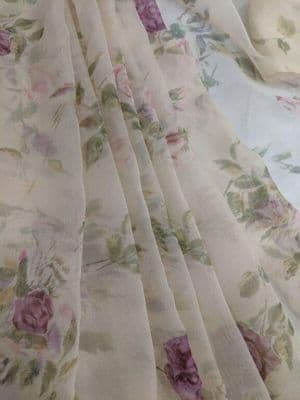
These saris capture the 1970s moment when Western bohemian fashion discovered Indian draping, but through completely different cultural filters. The French chiffon version whispers its florals across gossamer silk like scattered forget-me-nots, embodying the hippie ideal of ethereal femininity, while the Chinese machine lace blazes in coral with bold scalloped edges that feel more disco than ashram.
Text71%
Entity31%
Worn with·petticoatTechnique·laceworkFunction·wedding
SHARED130 years · cross-culture · cross-category
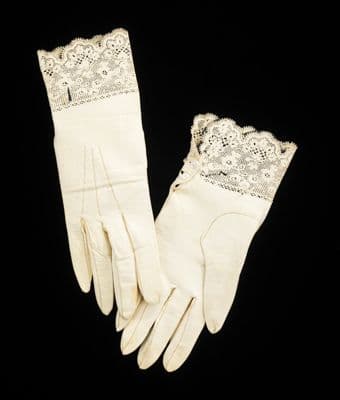
These pieces reveal how lace has always been democracy's great equalizer in bridal luxury. The Victorian gloves deploy their delicate needlework like armor—that intricate geometric pattern at the wrist transforms functional kid leather into something ceremonially untouchable.
Worn with·blouseWorn with·petticoat
SHARED10 years · cross-culture
Text73%
Movement·Hippie / CountercultureWorn with·blouse
SHARED10 years · cross-culture · cross-category
Text58%
Pull the Thread→
Follow this garment wherever the graph leads