V&A
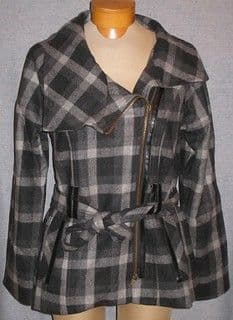
Oversized Checked Wool Blazer Jacket
1990s · 1990s · American
Designer
Donna Karan
Production
ready-to-wear
Material
checked wool
Culture
American
Movement
Minimalism · Grunge
Influences
1980s power dressing · menswear tailoring
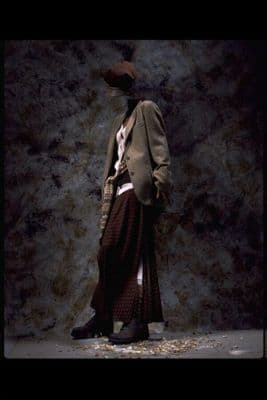
This oversized blazer features a classic checked pattern in cream, burgundy, and black wool. The jacket displays the characteristic 1990s silhouette with dramatically widened shoulders, extended lapels, and a loose, boxy cut that falls well past the hips. The construction appears to be machine-tailored with structured shoulder padding typical of power dressing influences. The check pattern consists of medium-scale squares creating a geometric grid across the fabric surface. The garment is styled over what appears to be a burgundy skirt or dress, demonstrating the layered approach popular in 1990s fashion. The overall proportions emphasize volume and architectural structure rather than body-conscious fit.
jacketoversizedhip length
Connected To

Influences·1980s power dressingMovement·Minimalism
SHARED30 years · cross-culture · cross-category
The black blazer dress carries forward the 1990s checked jacket's commitment to the masculine-borrowed silhouette as armor, but strips away every decorative impulse in favor of monastic severity. Where the '90s piece still flirts with pattern and texture—that insistent check demanding to be read—the contemporary dress operates through pure geometry, turning the blazer into a tunic that skims rather than cinches.
Pull the Thread→
Follow this garment wherever the graph leads