V&A
Black Wool Jacquard Pattern Necktie
1990s · 1990s · Belgian
Designer
Dries van Noten
Production
ready-to-wear
Material
wool
Culture
Belgian
Movement
Antwerp Six · Supermodel Era
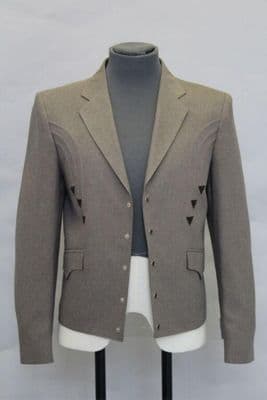
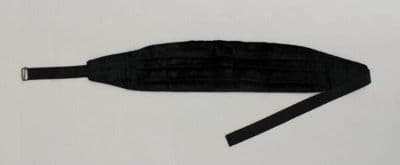
A black necktie with an intricate woven or jacquard pattern creating a textured surface design. The tie appears to be of standard width typical of 1990s menswear, with a pointed tip and traditional necktie proportions. The dark wool material shows a subtle geometric or possibly floral motif worked into the fabric structure, creating visual interest through texture rather than contrasting colors. This piece represents the sophisticated tailoring aesthetic of Belgian fashion in the mid-1990s, when designers like Dries van Noten were establishing Belgium as a significant force in international menswear.
jacketregular fithip length
Connected To
Movement·Supermodel EraWorn with·dress shirtFunction·court-formal
SHARED30 years · cross-culture · cross-category
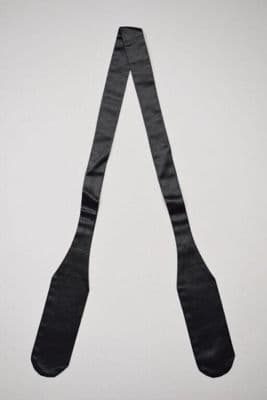
These two black neckties capture the 1990s' obsession with texture over pattern—the bow tie's lustrous satin catching light like liquid mercury while the necktie's jacquard weave creates subtle dimensional shadows across its surface. Both reject the decade's louder power-dressing impulses in favor of a more sophisticated monochrome statement, where tactile richness does the talking instead of bold graphics or colors.
Pull the Thread→
Follow this garment wherever the graph leads