1980s · 1980s · British
Designer
Siberry's
Production
ready-to-wear
Material
wool
Culture
British
Movement
Power Dressing
Influences
Victorian formal wear traditions · Edwardian evening dress codes
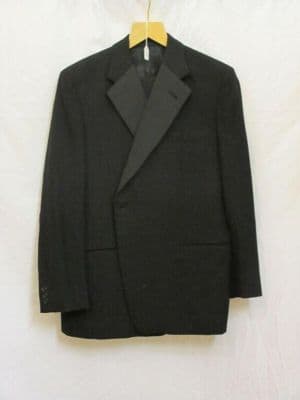
A black wool dinner jacket displaying classic formal evening wear construction with peaked lapels faced in satin or grosgrain. The jacket features a single-breasted closure with covered buttons, structured shoulders with moderate padding typical of 1980s tailoring, and a fitted silhouette through the torso. The lapels show the traditional formal wear contrast facing material, creating the distinctive black-tie aesthetic. The construction demonstrates British tailoring standards with clean lines and precise seaming. The jacket represents the continuation of formal menswear traditions during the 1980s, maintaining classic proportions while incorporating the decade's preference for more defined shoulder lines and structured fits.


These two dinner jackets reveal how formal menswear's most rigid codes have quietly loosened over four decades. The 1980s black jacket adheres to evening wear's iron law — midnight black wool with the requisite satin lapels that catch light like a gentleman's calling card.

Follow this garment wherever the graph leads

These two dinner jackets reveal how formal menswear's most rigid codes have quietly loosened over four decades. The 1980s black jacket adheres to evening wear's iron law — midnight black wool with the requisite satin lapels that catch light like a gentleman's calling card.
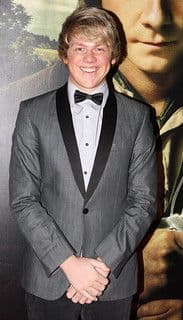
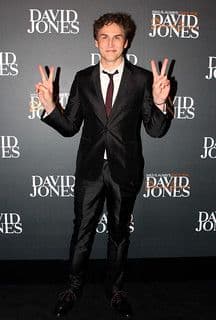
The slim-fit tuxedo on the left and the broader-shouldered dinner jacket on the right trace the same formal DNA across three decades of shifting masculine ideals. Where the 1980s jacket asserts itself with padded shoulders and a generous cut that speaks to an era of corporate power dressing, today's version hugs the torso with almost feminine precision, its narrow lapels and tapered waist reflecting our current obsession with athletic bodies over boardroom bulk.
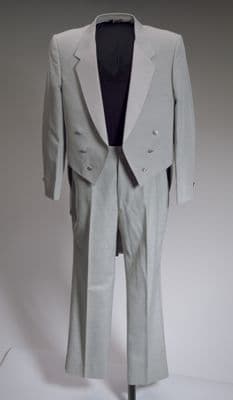
These two dinner jackets reveal how formal menswear's supposed immutability is actually full of subtle shifts that betray their eras. The 1980s jacket on the hanger shows the decade's telltale bulk—wider lapels, a more generous cut through the body, and that glossy satin facing that practically announces itself across a room.
These two jackets trace the slow death of formal dress codes, each marking a different stage of surrender. The black dinner jacket maintains the classical proportions and rich materials that once made evening wear sacred—notice how the satin lapels still catch light with proper ceremony, how the shoulders sit square and uncompromising.

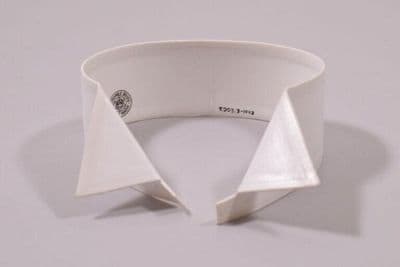
That severe wing collar, with its sharp triangular points jutting like architectural fragments, carries the same uncompromising geometry that would later define the knife-edge satin lapels on this dinner jacket sixty years later. Both pieces treat formal menswear as an exercise in precision—the starched cotton collar creating dramatic shadows and angles around the neck, while the jacket's gleaming lapels slice through black wool with equally unforgiving lines.