V&A
Wrought Iron Medieval Prick Spur
Gothic / High Medieval · 1200s · European
Production
handmade
Material
wrought iron
Culture
European
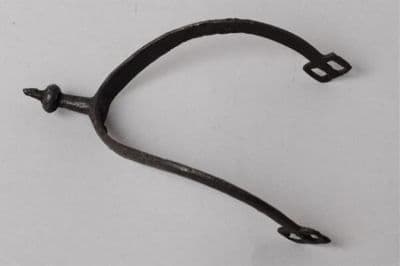
This wrought iron prick spur features a curved heel band with a single straight spike projecting from the back. The iron has been hand-forged with a rough, textured surface typical of medieval metalworking techniques. Two rectangular attachment plates with holes for securing straps extend from either end of the curved band. The spike is approximately two inches long and tapers to a sharp point. The overall construction shows the functional, utilitarian design characteristic of 13th-century equestrian equipment, where effectiveness in controlling horses took precedence over decorative elements. The dark patina and surface oxidation indicate age and use.
shoe
Connected To
Worn with·riding bootsTechnique·metalwork
SHARED200 years
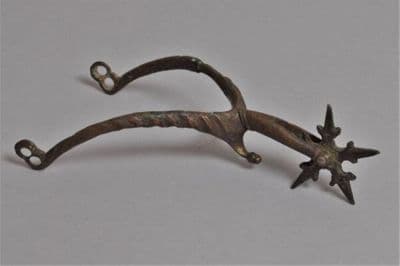
These spurs trace the evolution of medieval horsemanship from brute force to finesse. The earlier prick spur drives its single iron point straight into a horse's flank—all business, no ceremony—while the later rowel spur spins its star-shaped wheel with almost genteel precision, its copper body catching light where the iron predecessor absorbed it.
Text84%
Image86%
Entity29%
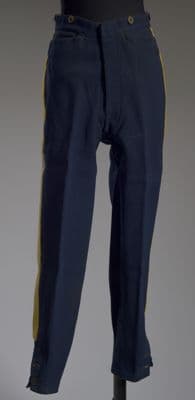
Worn with·riding boots
SHARED700 years · cross-culture · cross-category
These pieces trace the evolution of equestrian authority across seven centuries, from the brutal poetry of medieval spurs to the tailored precision of military riding breeches. The iron spur's curved shank and rowel spoke in the violent language of battlefield control, while the high-waisted gabardine breeches—with their fitted thighs and flared hips—codified a more refined but equally commanding relationship between rider and mount.
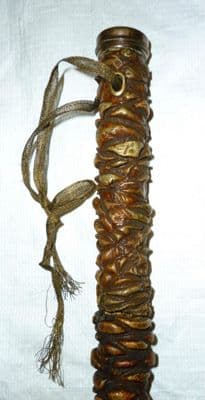
Technique·metalwork
SHARED600 years · cross-culture · cross-category
Text56%
Image
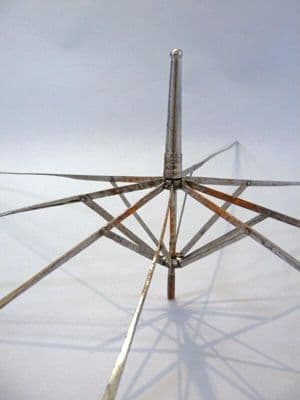
Technique·metalwork
SHARED500 years · cross-culture · cross-category
Text47%
Image68%
Pull the Thread→
Follow this garment wherever the graph leads