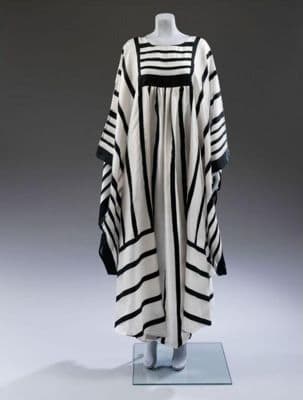
V&A
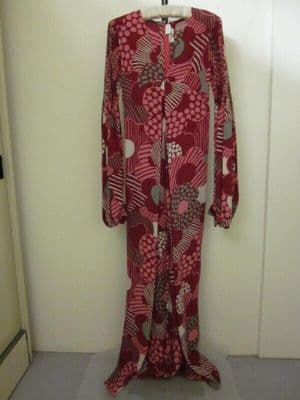
Burgundy Cream Gold Printed Silk Maxi Caftan
1970s · 1970s · British
Designer
Thea Porter
Production
ready-to-wear
Material
printed silk
Culture
British
Movement
Bohemian Revival · Hippie / Counterculture
Influences
Middle Eastern caftan · 1970s bohemian style
A floor-length caftan-style dress in printed silk featuring an all-over geometric and floral pattern in burgundy, cream, and gold tones. The garment has a loose, flowing silhouette with wide kimono-style sleeves that extend to the wrists. The neckline appears to be a simple round or V-neck opening. The dress falls straight from the shoulders to the floor in an unstructured, columnar shape typical of 1970s bohemian fashion. The print combines geometric elements with stylized floral motifs, creating a rich, tapestry-like surface pattern. The silk fabric appears lightweight and fluid, allowing the garment to drape naturally without structural support.
dressloose fitv-neckfloor length
Connected To
Movement·Bohemian Revival
SHARED50 years · cross-culture · cross-category
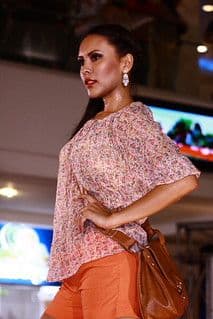
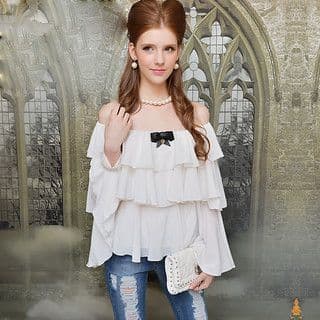
The floral peasant blouse with its off-shoulder drape and the burgundy silk caftan's flowing sleeves are separated by five decades but united by fashion's eternal romance with bohemian ease. Both garments reject structured tailoring for soft, body-skimming silhouettes that suggest freedom of movement — the blouse's gathered neckline echoing the caftan's loose, unbelted torso.
Echoes Across Time
2010s → 1970s · 50yr59%
SHARED
The floral peasant blouse with its off-shoulder drape and the burgundy silk caftan's flowing sleeves are separated by five decades but united by fashion's eternal romance with bohemian ease. Both garments reject structured tailoring for soft, body-skimming silhouettes that suggest freedom of movement — the blouse's gathered neckline echoing the caftan's loose, unbelted torso.
Movement·Bohemian Revival
2010s → 1970s · 50yr56%
Pull the Thread→
Follow this garment wherever the graph leads