V&A
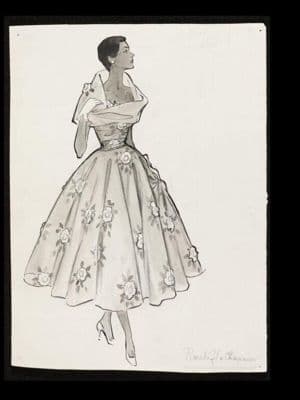
Cream and Black Silk Taffeta Cocktail Dress
1950s · 1950s · British
Designer
Roecliff & Chapman
Production
ready-to-wear
Material
silk taffeta
Culture
British
Movement
New Look · New Look / Post-War
Influences
Christian Dior New Look silhouette
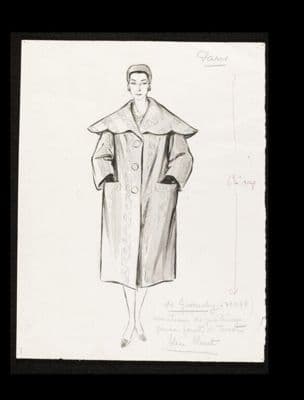
This fashion illustration depicts a mid-1950s short evening dress with the characteristic New Look silhouette. The fitted bodice features a sweetheart neckline and three-quarter length sleeves that end just below the elbow. The waist is cinched with what appears to be a wide belt or sash, creating the era's coveted hourglass shape. The skirt extends to mid-calf length in a full circle cut that would require substantial petticoats for proper volume. Delicate floral motifs are scattered across the silk taffeta fabric. The model's pose, with arms crossed and head tilted upward, emphasizes the dress's sophisticated femininity. The illustration style uses minimal shading and clean lines typical of 1950s fashion drawings for magazines.
dressfit and flareoff-the-shouldermidi
Connected To
Influences·Christian Dior New Look silhouetteMovement·New LookMovement·New Look / Post-War
Echoes Across Time

2000s → 1950s · 60yr72%
SHARED
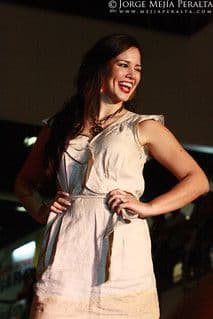
The coral dress is pure New Look DNA diluted into weekend wear—that same nipped waist and full circle skirt that Dior codified in 1947, but stripped of its original formality and rendered in cheerful cotton florals. Six decades later, the silhouette has become so embedded in our visual vocabulary that it reads as timeless femininity rather than revolutionary fashion, a testament to how completely Dior's radical reshaping of the female form conquered the world.
Influences·Christian Dior New Look silhouetteMovement·New LookWorn with·petticoat
Pull the Thread→
Follow this garment wherever the graph leads