FASHIONPEDIA
White Cotton Oversized Minimalist Shirt
1990s · 2010s · Western
Production
ready-to-wear
Material
cotton
Culture
Western
Movement
Minimalism
Influences
menswear shirting · Japanese minimalism
This oversized white cotton shirt exemplifies 1990s minimalist fashion with its deliberately loose, boxy silhouette and clean lines. The garment features a classic collar and appears to be constructed from medium-weight cotton with a smooth finish. The shirt's proportions are intentionally generous, creating a relaxed, androgynous fit that drapes away from the body. The styling emphasizes the minimalist aesthetic through its stark white color and absence of decorative elements, focusing purely on form and proportion. The garment represents the decade's shift toward understated, architectural clothing that prioritized comfort and simplicity over structured tailoring.
shirtoversizedround neckabove-the-hip
Connected To
Influences·menswear shirting
SHARED40 years · cross-culture
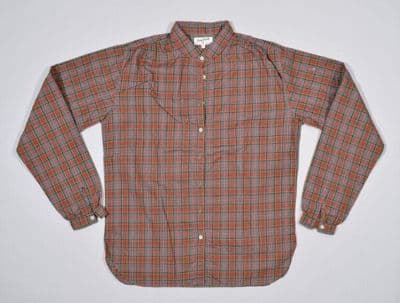
The oversized white shirt borrows menswear's boxy proportions and clean lines, while the '70s checked blouse takes the opposite approach—fitted through the body with gathered sleeves that announce its femininity. What connects them across four decades is their shared theft from the male wardrobe: both appropriate the button-down shirt's fundamental architecture, but one strips it to monastic minimalism while the other dresses it up in domestic plaid.
Echoes Across Time
1990s → 1970s · 40yr60%
SHARED
The oversized white shirt borrows menswear's boxy proportions and clean lines, while the '70s checked blouse takes the opposite approach—fitted through the body with gathered sleeves that announce its femininity. What connects them across four decades is their shared theft from the male wardrobe: both appropriate the button-down shirt's fundamental architecture, but one strips it to monastic minimalism while the other dresses it up in domestic plaid.
Influences·menswear shirting
1990s → 1970s
Pull the Thread→
Follow this garment wherever the graph leads