FASHIONPEDIA
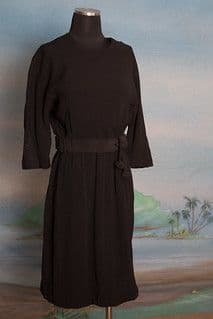
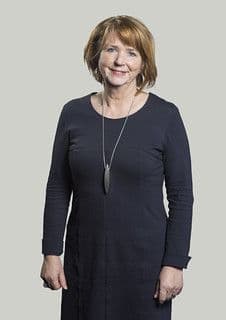
Charcoal Gray Wool Blend Fit and Flare Shift Dress
1990s · 1990s · Western
Production
ready-to-wear
Material
wool blend
Culture
Western
Movement
Minimalism
Influences
1960s shift dress silhouette
A knee-length shift dress in charcoal gray wool blend featuring clean, architectural lines characteristic of 1990s minimalism. The garment has a straight, columnar silhouette with three-quarter sleeves and a high round neckline. A self-fabric belt at the natural waist creates subtle definition without disrupting the streamlined form. The dress appears to be constructed with minimal seaming and no visible embellishment, emphasizing the quality of the fabric and precision of the cut. The wool blend drapes smoothly against the body, creating a sophisticated, understated garment that embodies the minimalist aesthetic's focus on essential forms and neutral tones.
dressfit and flareround neckknee length
Connected To
Influences·1960s shift dress silhouette
SHARED30 years
These two dresses trace the evolution of the shift from architectural statement to political uniform. The 1990s charcoal dress still carries the mod spirit of the original '60s shift—that three-quarter sleeve and belted waist gesture toward the era when the silhouette was radical, a rejection of corseted femininity.
Pull the Thread→
Follow this garment wherever the graph leads