THE MET
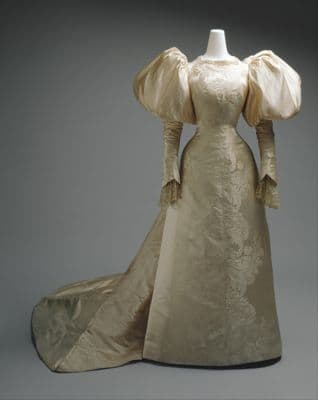
Ivory Silk Satin Trumpet Wedding Gown
Belle Epoque · 1890s · French
Production
haute couture
Material
silk satin
Culture
French
Influences
1890s leg-of-mutton sleeve · Victorian corseted silhouette
This Belle Époque wedding gown features the characteristic leg-of-mutton sleeves of the 1890s, with dramatically puffed upper arms tapering to fitted forearms. The bodice is closely fitted through the torso with a high neckline and appears to be boned for structure. The skirt flows in an A-line silhouette from the natural waist to a substantial train. The ivory silk satin fabric displays subtle floral embroidery or brocade patterns across the surface. Pearl embellishments accent the neckline and possibly the sleeve cuffs. The overall construction demonstrates the formal grandeur expected of upper-class wedding attire during the height of the Belle Époque period.
dresstrumpetsweetheartfloor length
Connected To
Worn with·bustle padWorn with·chemiseWorn with·corset
SHAREDsame era · cross-culture · cross-category
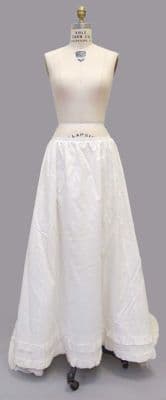
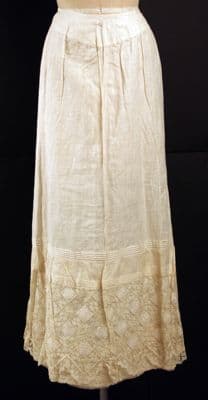
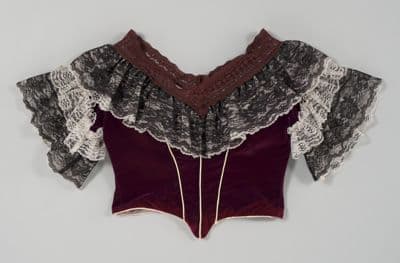
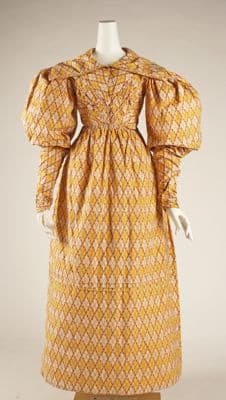
These two garments reveal the elaborate architecture beneath Belle Époque glamour—the wedding gown's impossibly smooth trumpet silhouette depends entirely on the structured foundation that the cotton underskirt represents. The underskirt's deep lace hem and crisp pleating show how even hidden layers demanded their own decorative logic, while that ivory satin above flows like liquid precisely because yards of cotton batting and whalebone below are doing the structural work.
Pull the Thread→
Follow this garment wherever the graph leads