SMITHSONIAN
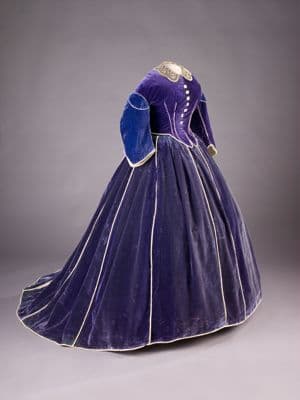
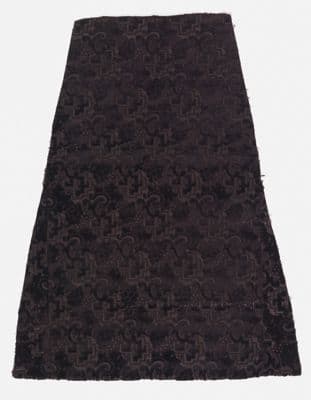
Deep Burgundy Cut Velvet Silk Skirt Panel
Edwardian · 1900s · American
Production
ready-to-wear
Material
silk velvet
Culture
American
Movement
Art Nouveau
Influences
Art Nouveau florals
This Edwardian skirt panel displays intricate cut velvet work on silk, creating a rich textural pattern across the deep burgundy ground. The velvet pile has been selectively removed to form an elaborate floral and foliate design, revealing the darker silk base beneath in a technique known as devoré or burnout velvet. The panel shows the characteristic weight and drape of silk velvet, with areas of raised pile contrasting against the flatter burned-out sections. The complex pattern suggests this was part of a formal evening skirt, typical of the elaborate surface treatments favored during the Edwardian period when such luxurious textiles were markers of social status and refined taste.
skirta-linefloor length
Connected To
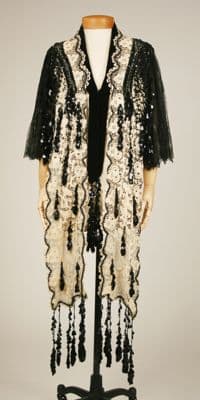
Movement·Art NouveauFunction·formal-evening
SHARED10 years · cross-culture · cross-category
These two pieces reveal how Art Nouveau's obsession with organic forms translated differently across the Atlantic: the French mantle's lace cascades like Spanish moss or seaweed, its black sequins catching light like dewdrops on intricate botanical filigree, while the American skirt panel transforms the same naturalistic impulse into a dense, almost Gothic tapestry of cut velvet flowers.
Pull the Thread→
Follow this garment wherever the graph leads