SMITHSONIAN
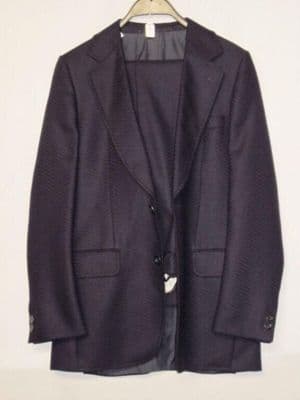
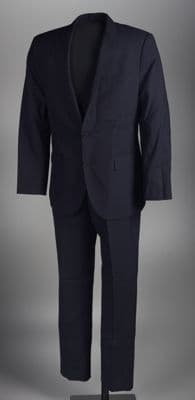
Navy Wool Blend Two-Piece Business Suit
1980s · 2010s · African American
Production
ready-to-wear
Material
wool blend with rayon and polyester
Culture
African American
Movement
Power Dressing
Influences
American business suit tradition
A contemporary two-piece suit consisting of a single-breasted jacket and matching trousers in dark navy wool blend. The jacket features notched lapels of moderate width, a two-button closure, and appears to have a structured shoulder line typical of modern business suiting. The trousers have a straight leg cut with a pressed crease. The fabric appears to have a smooth, professional finish characteristic of machine-woven wool blends incorporating synthetic fibers for durability and wrinkle resistance. This represents standard American business formal wear adapted for civic engagement and protest activities.
jacketregular fithip length
Connected To
Movement·Power DressingWorn with·dress shirtWorn with·necktie
SHARED40 years · cross-culture
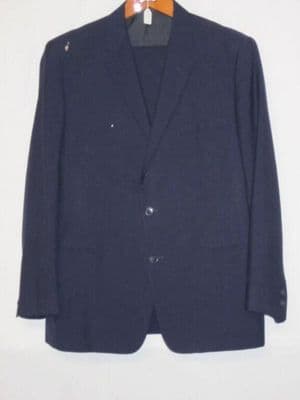
These two navy suits from the 1980s reveal how power dressing crossed every boundary that mattered.
Pull the Thread→
Follow this garment wherever the graph leads