THE MET
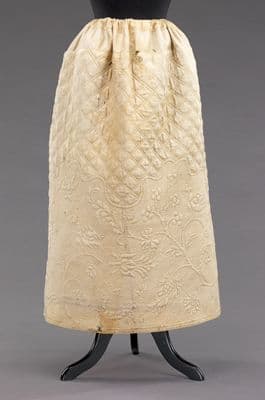
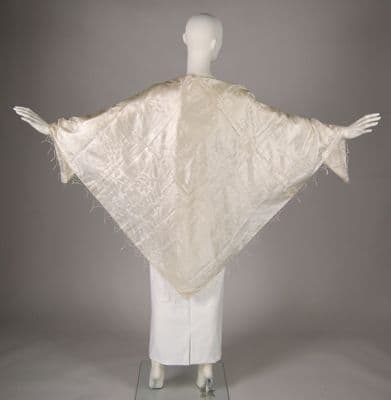
Cream Quilted Silk Diamond Pattern Shawl
Rococo · 18th-19th century · Chinese
Production
handmade
Material
quilted silk
Culture
Chinese
Movement
Chinoiserie
Influences
Chinese export textile tradition
A large square shawl constructed from cream-colored silk with an intricate quilted diamond pattern covering the entire surface. The quilting creates a raised geometric texture that catches light subtly across the fabric. The shawl features deep fringe trim along all four edges, adding movement and weight to the piece. When draped, it forms graceful wing-like extensions from the arms, creating a dramatic silhouette. The quilting technique appears to be hand-executed with fine, even stitching that creates consistent diamond motifs throughout. The silk has a lustrous finish typical of Chinese export textiles, and the substantial construction suggests this was a luxury item for wealthy European consumers during the Rococo period.
capetenthip length
Connected To
Technique·quiltingFunction·formal-evening
SHARED230 years · cross-culture · cross-category
Text55%
Echoes Across Time
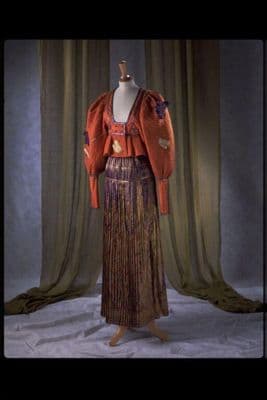
Rococo → 1970s · 230yr49%
SHARED
Technique·quiltingFunction·formal-evening
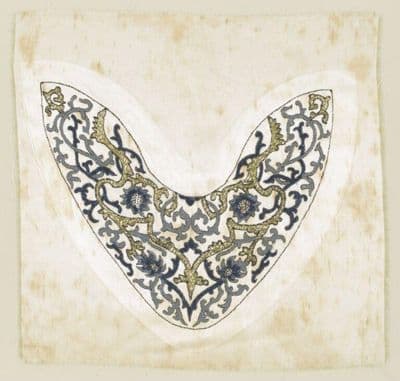
Rococo → 1950s · 210yr45%
LINEAGE
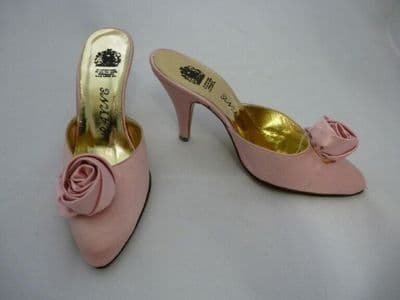
The cream silk shawl's diamond-quilted geometry and the painted shoe panel's baroque florals represent two faces of the same decorative impulse—one architectural, one botanical, but both rooted in rococo's horror vacui. Where the 18th-century shawl achieves its luxury through labor-intensive quilting that creates subtle texture and movement, the 1950s shoe panel opts for pure surface spectacle, its blue and gold blooms sprawling across satin like a miniature wallpaper sample.
Pull the Thread→
Follow this garment wherever the graph leads