FASHIONPEDIA
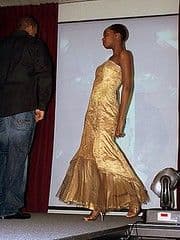
Champagne Gold Silk Satin Strapless Mermaid Gown
2020s · 2010s · Western
Material
silk satin
Culture
Western
Movement
Quiet Luxury
Influences
1950s Hollywood glamour · classic mermaid silhouette
A strapless evening gown in lustrous champagne-gold satin with a classic mermaid silhouette. The fitted bodice hugs the torso and hips before dramatically flaring at mid-thigh into a full train that pools on the floor. The satin fabric has a high sheen that catches stage lighting, creating subtle color variations from pale gold to deeper bronze tones. The construction appears to rely on internal boning or corseting for the strapless support. The hemline extends into a substantial train, requiring the wearer to gather the fabric when walking. This represents contemporary formal wear's emphasis on timeless elegance over trend-driven details.
dressmermaidfloor
Connected To
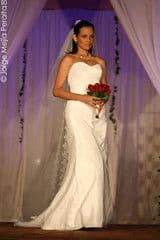
Influences·1950s Hollywood glamourWorn with·strapless braTechnique·couture-construction
SHARED10 years · cross-culture
These two gowns are cut from the same seductive cloth — that body-skimming mermaid silhouette that Hollywood perfected in the 1950s and never quite let go. The champagne number flares dramatically from mid-thigh with an almost aggressive flounce, while the ivory wedding dress hugs closer to the knee before its more restrained kick, but both deploy that same architectural trick of transforming the female form into an hourglass exclamation point.
Text90%
Image60%
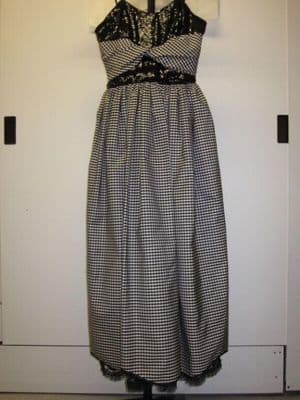
Worn with·strapless braTechnique·couture-constructionFunction·formal-evening
SHARED20 years · cross-culture
Both gowns commit to the drama of the strapless silhouette, but they arrive there through opposite philosophies of seduction. The golden mermaid dress hugs every curve before flaring into liquid metal at the hem—pure body consciousness wrapped in champagne silk that catches light like armor.
Worn with·strapless braTechnique·couture-constructionFunction·formal-evening
SHARED60 years · cross-culture
Both gowns commit to the same seductive mathematics: the mermaid silhouette that skims the torso like liquid before flaring into a dramatic train, creating that unmistakable hourglass punctuation mark. The 1950s dress achieves its glamour through intricate lace appliqué that catches light like scattered pearls, while the contemporary version strips away all ornamentation, letting the silk satin's mirror-like surface do the talking.
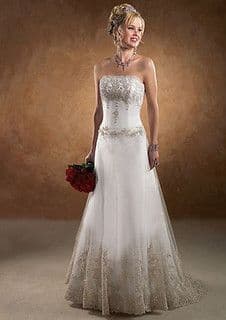
51%
Worn with·strapless braTechnique·couture-construction
SHARED175 years · cross-culture
Text70%
Echoes Across Time
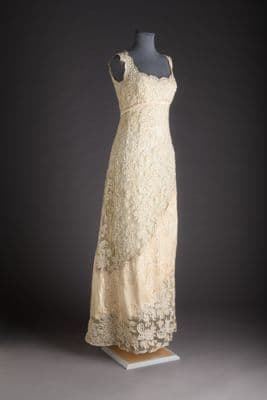
1950s → 2020s · 60yr57%
SHARED
Both gowns commit to the same seductive mathematics: the mermaid silhouette that skims the torso like liquid before flaring into a dramatic train, creating that unmistakable hourglass punctuation mark. The 1950s dress achieves its glamour through intricate lace appliqué that catches light like scattered pearls, while the contemporary version strips away all ornamentation, letting the silk satin's mirror-like surface do the talking.
Worn with·strapless braTechnique·couture-constructionFunction·formal-evening
Pull the Thread→
Follow this garment wherever the graph leads