FASHIONPEDIA
White Cotton Blend Oversized Hip Length Tunic
2010s · 2020s · Western
Production
ready-to-wear
Material
cotton blend
Culture
Western
Movement
Minimalism · Normcore
Influences
minimalist design philosophy · contemporary athleisure silhouettes
A loose-fitting white tunic top with an oversized silhouette that extends to hip length. The garment features a relaxed, boxy cut with what appears to be a simple round or boat neckline. The cotton blend fabric drapes softly without structure, creating an effortless, minimalist aesthetic characteristic of quiet luxury fashion. The tunic is worn over dark bottoms, demonstrating the contemporary approach to elevated casual wear where premium basics in neutral tones form the foundation of understated luxury dressing. The clean lines and absence of visible embellishment reflect the movement's emphasis on quality materials and refined simplicity over overt branding or decoration.
topregularhip
Connected To
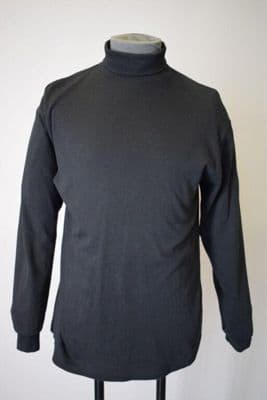
Influences·minimalist design philosophyMovement·Minimalism
SHARED40 years · cross-culture
The black turtleneck's monastic simplicity and the white tunic's clean lines both spring from minimalism's radical idea that restraint equals sophistication. Forty years separate them, but they share the same DNA: the belief that a garment's power lies in its ability to disappear into perfect proportions rather than announce itself through ornament.
Pull the Thread→
Follow this garment wherever the graph leads