SMITHSONIAN
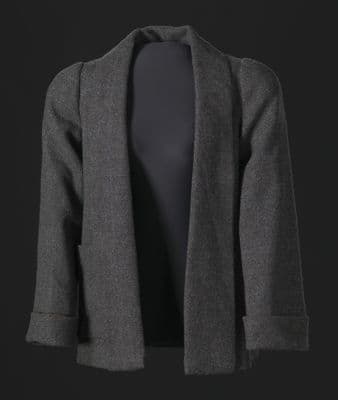
Charcoal Grey Wool Silk Minimalist Blazer
1990s · 1990s · American
Designer
Arthur McGee
Production
ready-to-wear
Material
wool and silk blend
Culture
American
Movement
Minimalism
Influences
1980s power suit softening · minimalist design philosophy
A charcoal grey blazer featuring clean, minimalist tailoring characteristic of 1990s professional wear. The jacket displays a relaxed fit through the body with structured shoulders and a shawl collar that creates smooth, unbroken lines. The open-front design eliminates traditional button closures, emphasizing the decade's move toward simplified silhouettes. The wool and silk blend fabric appears to have a subtle texture, while the three-quarter length sleeves and hip-length cut reflect the era's preference for proportional balance. The construction shows precise tailoring with clean seaming and a structured yet comfortable drape that embodies the sophisticated minimalism of 1990s fashion.
jacketregular fithip length
Connected To
Influences·minimalist design philosophyMovement·Minimalism
SHARED30 years · cross-culture · cross-category
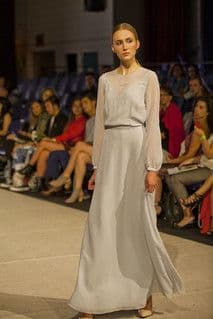
Both pieces worship at the altar of reduction, but the gown takes minimalism to its logical extreme while the blazer still hedges its bets. The '90s blazer, with its soft shoulders and open front, was minimalism learning to breathe—ditching the power suit's aggression but keeping enough structure to feel safe in boardrooms.
Pull the Thread→
Follow this garment wherever the graph leads