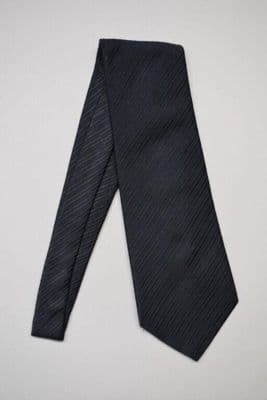
2020s · 2020s · British
Production
ready-to-wear
Material
wool blend
Culture
British
Movement
Quiet Luxury
Influences
British tailoring tradition
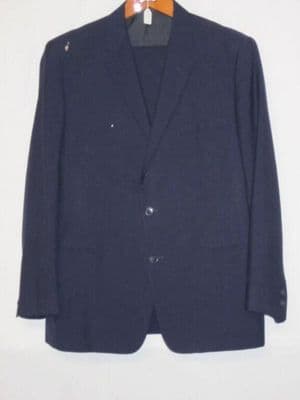
A charcoal gray tailored blazer with subtle check pattern worn over a black dress shirt and black tie. The jacket features a notched lapel, two-button closure, and appears to be cut in a contemporary slim fit through the torso and arms. The wool blend fabric has a smooth, refined finish typical of modern suiting. Paired with dark fitted trousers and brown leather dress shoes, creating a polished formal look. The overall silhouette is clean and streamlined, reflecting contemporary menswear tailoring with precise construction and minimal visual texture from the understated check weave.
The navy blazer hanging limp on its hanger and the sharp charcoal number strutting down that red carpet are separated by decades but united in their pursuit of the same masculine ideal: the man who means business but knows better than to try too hard.

The navy blazer hanging limp on its hanger and the sharp charcoal number strutting down that red carpet are separated by decades but united in their pursuit of the same masculine ideal: the man who means business but knows better than to try too hard.

Follow this garment wherever the graph leads
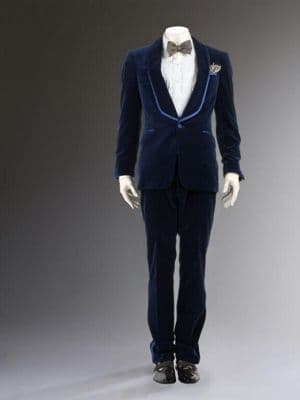
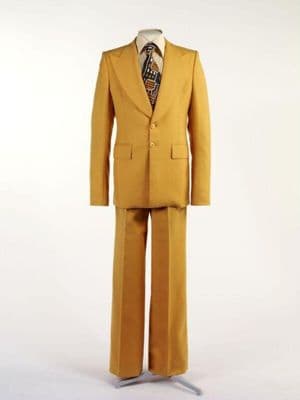
These two suits speak the same language of understated masculine elegance, but in different dialects—the charcoal wool blazer whispers British restraint while the navy velvet dinner suit purrs Italian sensuality. Both reject the peacocking trends of their respective eras in favor of impeccable fit and luxurious materials that announce wealth through texture rather than flash.
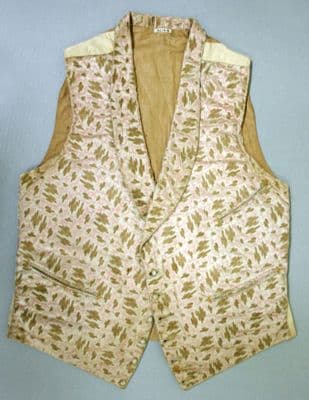
The delicate olive-green botanical tracery scattered across this Victorian vest's cream silk shares an unexpected kinship with the charcoal blazer's subtle windowpane check — both rely on pattern as punctuation rather than proclamation, letting the wearer's personality fill the space between the lines.
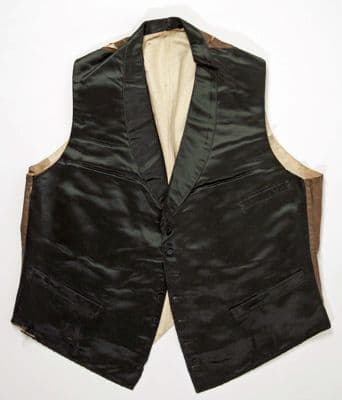
The modern blazer's sharp lapels and structured shoulders echo the Victorian waistcoat's precise tailoring vocabulary, both garments speaking the same language of masculine formality despite being separated by 170 years and an ocean of social change. Where the waistcoat's dark green silk and cream cotton back reveal the era's obsession with hidden luxury—why waste expensive fabric where no one can see it?—the blazer democratizes that same attention to cut and proportion in affordable wool.

The delicate olive-green botanical tracery scattered across this Victorian vest's cream silk shares an unexpected kinship with the charcoal blazer's subtle windowpane check — both rely on pattern as punctuation rather than proclamation, letting the wearer's personality fill the space between the lines.