2020s · 2010s · Western
Production
ready-to-wear
Material
wool blend
Culture
Western
Movement
Minimalism · Quiet Luxury
Influences
traditional formal menswear · minimalist tailoring
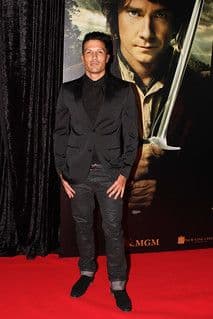
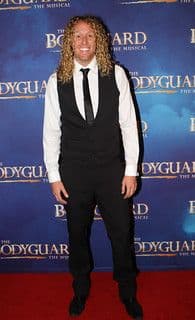
A sharp formal ensemble featuring a black tailored vest worn over a crisp white dress shirt with black tie, paired with matching black trousers. The vest displays precise tailoring with a deep V-neckline and fitted silhouette that emphasizes the torso. The white shirt provides stark contrast with its clean lines and formal collar. The black trousers appear to have a straight leg cut with a formal drape. This represents contemporary formal menswear styling that emphasizes clean lines, monochromatic contrast, and impeccable fit over ornate details, characteristic of the understated luxury aesthetic of the 2020s.


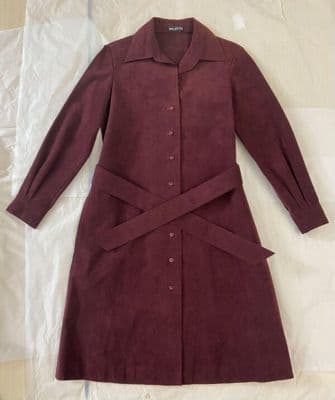
The black vest's razor-sharp tailoring and the maroon shirt dress's wrap-belt detail both speak the language of 1970s minimalism, where clean lines mattered more than ornament. What connects them across four decades is their shared devotion to structure over decoration—the vest's precise lapels and fitted torso echo the shirt dress's crisp collar and geometric belt treatment, both refusing the frills that defined their respective eras' maximalist alternatives.


Follow this garment wherever the graph leads
These two looks reveal how contemporary menswear's minimalist impulse has fractured into distinct tribes of restraint. The first man's monochromatic suiting—that seamless black-on-black blazer and trouser pairing—speaks the language of tech-world power dressing, where ostentation is gauche and the cut does all the talking.
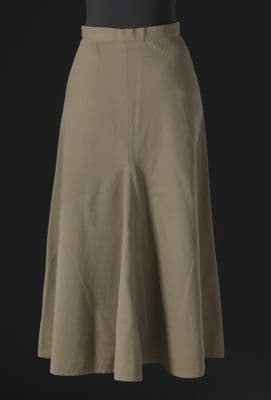
The black vest and trouser ensemble's razor-sharp tailoring and monastic restraint echo the clean geometry of that taupe midi skirt, both bearing the DNA of '90s minimalism's obsession with perfect proportions over ornament. While the vest channels Helmut Lang's severe suiting through a contemporary lens of gender-fluid dressing, the skirt represents the original minimalist moment when designers like Jil Sander made luxury synonymous with architectural simplicity.
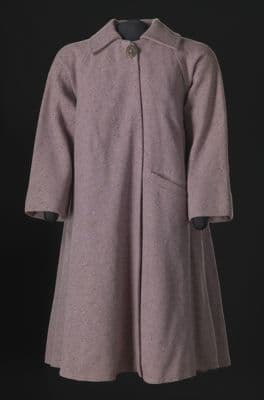
That curly-haired figure in the sleek black vest-and-trouser combo channels the same pared-down precision that made the '90s swing coat a quiet revolution—both garments strip formal dressing to its most essential lines, refusing ornament in favor of perfect proportion. The vest's sharp lapels and the coat's clean A-line silhouette speak the same minimalist language, just translated across different decades and occasions.
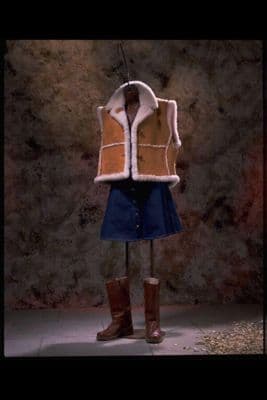
The sleek black vest on the left and the chunky sheepskin waistcoat on the right trace the same genealogy of masculine restraint, both rooted in British tailoring's obsession with the waistcoat as a vehicle for quiet authority. Where the formal evening vest speaks in whispers—its narrow lapels and precise fit channeling Savile Row's most refined impulses—the sheepskin version bellows the same message through texture and bulk, turning rural workwear into a statement of rugged sophistication.
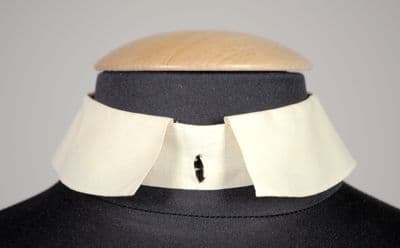
That pristine white detachable collar, with its sharp points and buttonhole eyelet, represents the Victorian obsession with laundered perfection—a man could swap out soiled neckwear while preserving his shirt. Fast-forward 130 years to this modern evening ensemble, where the same white dress shirt and black tie create the formal foundation, but now the collar is permanently attached and the look feels almost costume-like in its period correctness.