1970s · 2020s · American
Production
ready-to-wear
Material
black leather
Culture
American
Movement
Minimalism · Punk
Influences
1950s motorcycle jacket · minimalist design
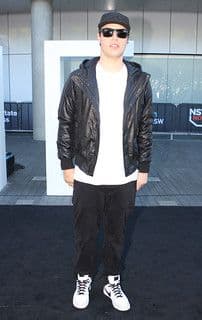
A black leather motorcycle jacket worn open over a white t-shirt, paired with black pants and white sneakers. The jacket features the classic biker silhouette with diagonal front zipper closure, wide lapels that can be worn turned up, and appears to have zippered pockets. The leather has a matte finish rather than high shine. The styling represents contemporary casual luxury - high-quality materials in understated, versatile pieces. The overall look demonstrates the quiet luxury aesthetic of expensive basics without obvious branding or flashy details, emphasizing quality construction and timeless design over trend-driven elements.
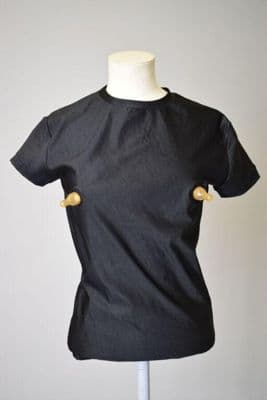
The leather jacket's clean lines and deliberate restraint—no studs, no patches, just pure geometric form—anticipates the fitted t-shirt's architectural precision by two decades. Both garments strip away ornament in favor of body-conscious silhouettes that let material and cut do the talking, the jacket's structured shoulders echoing the tee's sculpted torso.
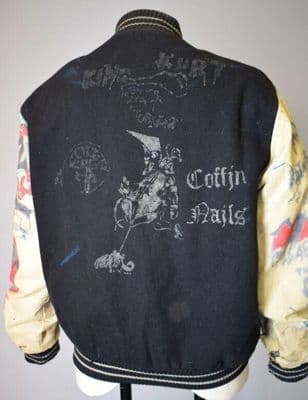
The black leather motorcycle jacket and the varsity bomber with its gothic "Coffin Nails" graphic trace punk's evolution from street rebellion to art school posturing. Where the '70s biker jacket channels pure menace through its stark, unadorned leather—the uniform of actual outlaws—the '90s varsity jacket domesticates that danger into collegiate theater, swapping genuine threat for knowing references to medieval imagery and death metal aesthetics.


Follow this garment wherever the graph leads

The biker jacket's sharp-shouldered rebellion and the shirt dress's slouchy nonchalance might seem worlds apart, but both tap into minimalism's power to strip away everything but attitude. Where the leather jacket achieves its cool through precise seaming and hardware reduction—notice how clean those lapels read without excess zippers or studs—the oversized shirt dress gets there by drowning the body in deliberate shapelessness, turning a basic button-front into armor through sheer volume.
The black leather jacket's sharp-shouldered severity and the white cotton shirt's deliberately oversized proportions both spring from minimalism's core conviction that power lies in reduction, not addition. Where the jacket achieves its authority through leather's inherent weight and the precise geometry of zippers and lapels, the shirt finds its strength in billowing cotton that transforms the body into an architectural statement.
These two pieces trace minimalism's journey from rebellion to leisure, showing how the movement's "less is more" philosophy traveled from the streets to the resort. The motorcycle jacket's clean lines and unadorned black leather strips away all the studs and zippers that typically announce biker culture, leaving only essential geometry, while the slip dress reduces feminine dressing to its most basic elements—a single fluid drape that skims the body without fuss.
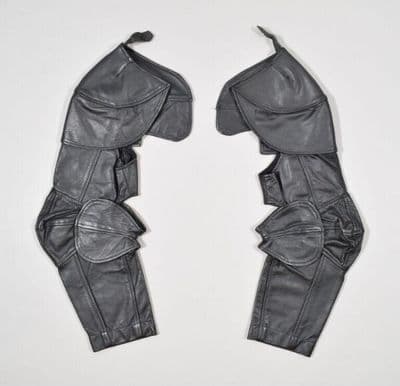
The quilted diamond pattern on that casual bomber jacket carries the same genetic code as the elaborate knee guards and shoulder plates on this fetish-inflected armor—both use leather's natural ability to be molded into protective geometry. Where the jacket domesticates motorcycle safety into everyday cool, the waistcoat pushes that same impulse toward theatrical extremes, turning protective padding into sculptural bondage gear that looks like it belongs in a Mad Max fever dream.