V&A
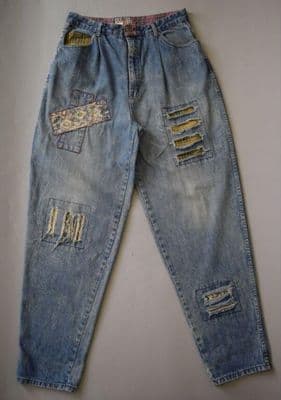
Distressed Blue Denim High-Waisted Baggy Jeans
1990s · 1990s · Jamaican
Designer
Exhaust
Production
ready-to-wear
Material
blue denim
Culture
Jamaican
Movement
Hip-Hop · DIY Fashion · Grunge
Influences
hip-hop baggy styling · punk DIY aesthetic
High-waisted baggy jeans in medium blue denim with extensive distressing and decorative patches. The silhouette is dramatically oversized with a tapered leg that creates a balloon-like shape through the thigh and hip. Multiple ripped areas reveal underlying fabric, with floral print patches applied over some tears. Yellow fabric strips and additional patterned patches are strategically placed across the legs. The construction shows deliberate distressing techniques including fraying, tearing, and patch application that became signature elements of 1990s streetwear. The fit reflects the era's rejection of fitted silhouettes in favor of voluminous, gender-neutral proportions that emphasized comfort and subcultural identity over traditional tailoring.
pantsloose fit
Connected To
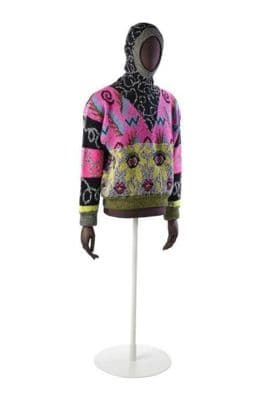
Influences·punk DIY aestheticMovement·Hip-HopFunction·protest-subculture
SHARED10 years · cross-culture · cross-category
Pull the Thread→
Follow this garment wherever the graph leads