V&A
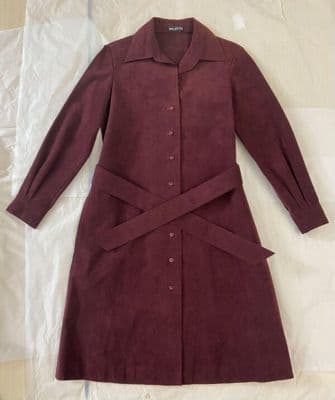
Maroon Ultrasuede Button-Front Shirt Dress
1970s · 1970s · American
Designer
Halston
Production
ready-to-wear
Material
Ultrasuede polyester-polyurethane blend
Culture
American
Movement
American Sportswear · Hippie / Counterculture
Influences
1970s American sportswear · minimalist tailoring
A maroon Ultrasuede shirt dress featuring a classic button-front closure with matching buttons running the full length. The garment has a traditional shirt collar and long sleeves with button cuffs. A detachable self-fabric tie belt wraps around the waist, creating definition in the otherwise straight silhouette. The dress falls to approximately knee length with a clean, unadorned hemline. The Ultrasuede fabric appears smooth and matte, characteristic of this synthetic suede material that became synonymous with 1970s American sportswear. The construction shows precise tailoring with clean seaming and professional finishing, reflecting the minimalist aesthetic that defined mid-1970s ready-to-wear design.
dressstraightcollarlessknee length
Connected To
Influences·minimalist tailoring
SHARED50 years · cross-culture
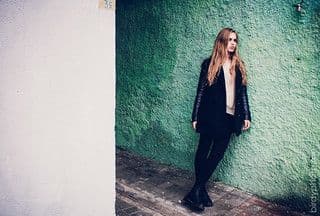
These two shirt dresses reveal how the clean geometry of minimalist tailoring translates across generations, even as the details shift with the times. The 1970s maroon dress speaks in Halston's language — that revolutionary Ultrasuede draping like liquid around the body, with a wrap belt that creates structure without sacrificing the fabric's fluid fall.
Echoes Across Time

2020s → 1970s · 50yr59%
SHARED
These two shirt dresses reveal how the clean geometry of minimalist tailoring translates across generations, even as the details shift with the times. The 1970s maroon dress speaks in Halston's language — that revolutionary Ultrasuede draping like liquid around the body, with a wrap belt that creates structure without sacrificing the fabric's fluid fall.
Influences·minimalist tailoring

2010s → 1970s · 50yr59%
Pull the Thread→
Follow this garment wherever the graph leads