SMITHSONIAN
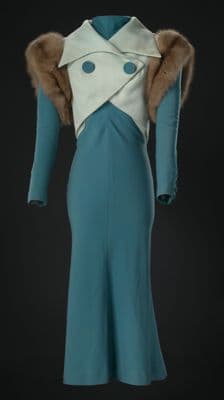
Teal Blue Wool Twill Evening Gown with Cream Collar
1970s · 1970s · American
Production
one-of-a-kind
Material
wool twill
Culture
American
Movement
Disco
Influences
1940s fitted evening wear · Art Deco geometric styling
A form-fitting floor-length gown in teal blue wool twill with a dramatic cream-colored geometric collar or bib front detail. The silhouette is sleek and column-like, following the body's natural lines without excess fabric. A luxurious brown fur stole drapes around the shoulders and arms, creating volume and texture contrast against the smooth wool. The geometric collar treatment features angular lines that create a modernist aesthetic. This costume piece demonstrates 1970s interpretation of 1940s glamour, combining the fitted silhouette popular in both eras with the bold color blocking and geometric details characteristic of 1970s design sensibilities.
dressstraightsurplicemaxi
Connected To
59%
Movement·Disco
LINEAGEsame era · cross-culture · cross-category→ directed
Lineage: “1970s disco glamour”
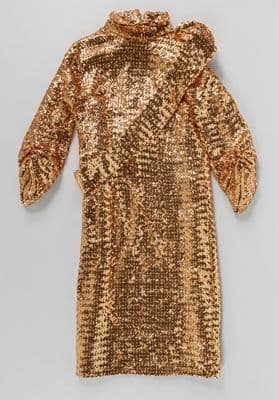
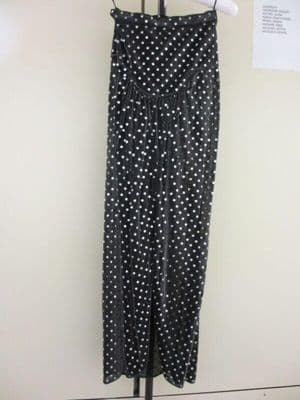
That teal gown with its cream sailor collar and dramatic fur-trimmed sleeves captures the theatrical formality that disco demanded—evening wear that could move under strobing lights while maintaining an almost ceremonial grandeur. The black sequined maxi skirt represents disco's other face: pure kinetic energy, where every sequin becomes a mirror ball fragment designed to catch and scatter light across a dance floor.
Pull the Thread→
Follow this garment wherever the graph leads