V&A
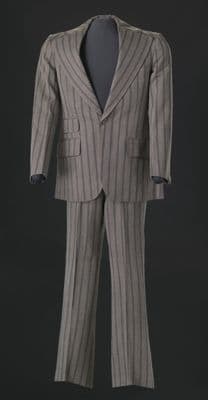
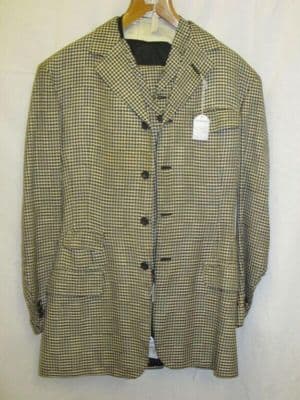
Brown Cream Houndstooth Three-Piece Linen Suit
1970s · 1970s · British
Designer
Watson, Fagerstrom & Hughes
Production
ready-to-wear
Material
linen
Culture
British
Movement
Hippie / Counterculture
Influences
traditional British tailoring · 1970s casual menswear
A single-breasted three-piece suit in brown and cream houndstooth check pattern. The jacket features a notched lapel collar, six-button front closure, and relaxed shoulders typical of 1970s tailoring. The construction shows machine-stitched seams with traditional menswear tailoring techniques. The houndstooth pattern is woven in varying scales creating visual texture across the linen fabric. The silhouette reflects the move away from the fitted styles of the 1960s toward the looser, more casual approach that characterized mid-1970s menswear. The suit represents the intersection of traditional British tailoring with the emerging casual dress codes of the era.
jacketregular fithip length
Connected To
Worn with·dress shirtWorn with·dress shoesWorn with·tie
Echoes Across Time
1990s → 1970s · 50yr61%
SHARED
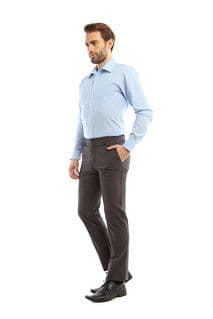
These two pieces trace the slow democratization of menswear formality across five decades. The 1970s houndstooth suit, with its structured three-piece silhouette and traditional British tailoring, represents the old guard of business dress — complete armor for the boardroom. The 1990s cotton trousers signal menswear's gradual unbuttoning: same pressed crease and dress shoe pairing, but the suit jacket has vanished, leaving just the bottom half of corporate respectability.
Worn with·dress shirtWorn with·dress shoesTechnique·machine-weaving
Pull the Thread→
Follow this garment wherever the graph leads