V&A
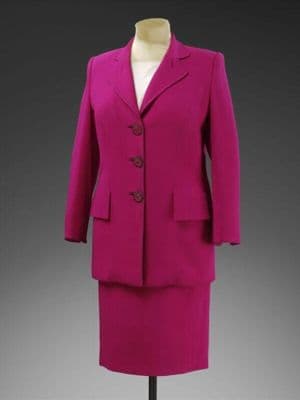
Fuchsia Pink Wool Skirt Suit with Artisan Buttons
1980s · 2000s · British
Designer
Tomasz Starzewski
Production
haute couture
Material
wool crepe
Culture
British
Movement
Power Dressing
Influences
1980s power suit · Chanel suit structure
A vibrant fuchsia pink wool skirt suit featuring a structured blazer with notched lapels and a knee-length pencil skirt. The jacket displays classic tailoring with a three-button closure, fitted waist, and structured shoulders that create a sharp, professional silhouette. The buttons appear to be decorative with metallic or artistic detailing. The skirt maintains a slim, straight cut that sits at the natural waist. The wool fabric has a smooth, matte finish typical of high-quality suiting material. This represents the continuation of power dressing aesthetics into the early 2000s, when bold colors and sharp tailoring remained symbols of professional authority and feminine empowerment in business contexts.
jacketstraighthip length
Connected To
Influences·1980s power suit
SHARED20 years · cross-culture · cross-category
The fuchsia suit's razor-sharp shoulders and that authoritative button stance find an unexpected echo in the hanbok's structured jeogori top, both garments wielding formality as a form of feminine armor despite their vastly different cultural origins.
Pull the Thread→
Follow this garment wherever the graph leads