THE MET
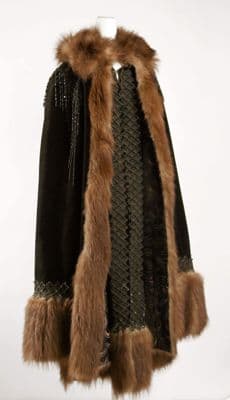
Black Silk Velvet Mantle with Brown Fur Trim
Fin de Siecle / Gibson Girl · 1890s · American
Production
haute couture
Material
silk velvet
Culture
American
Influences
Victorian cape construction · Russian fur styling
A dramatic black silk velvet mantle with extensive brown fur trim along all edges and a full fur collar. The garment features a loose, cape-like silhouette that would drape from the shoulders without fitted sleeves. The black velvet appears to have a subtle geometric or diamond-pattern texture woven or embossed into the fabric. Rich brown fur, likely mink or fox, creates wide borders along the front opening, hemline, and forms a luxurious standing collar. This type of outer garment exemplifies the opulent evening wear of the 1890s, designed to be worn over formal gowns for theater, opera, or dinner occasions during the Gilded Age.
capeloose fitknee length
Connected To
66%
Worn with·evening gownWorn with·glovesFunction·court-formal
SHARED10 years · cross-culture
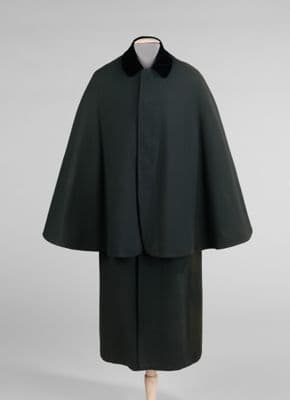
These two Victorian cloaks reveal how the same aristocratic silhouette could speak entirely different languages of luxury. The forest green wool cape with its severe black velvet collar announces itself through architectural restraint—that dramatic bell shape needs no ornament when the proportions are this commanding. A decade later, the black velvet mantle abandons such Puritan discipline for full sensual theater, every edge fringed with fur that catches light like a living thing.
Worn with·evening gownWorn with·glovesFunction·court-formal
SHARED10 years · cross-culture · cross-category
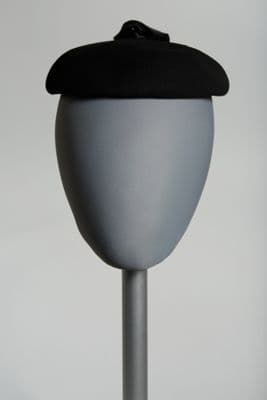
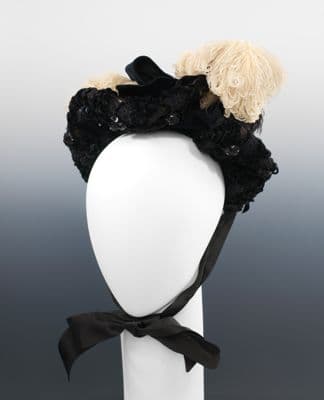
These two pieces reveal how the Victorians deployed black silk velvet as their ultimate power fabric, whether framing the face or enveloping the entire figure. The bonnet's ruched crown creates sculptural drama that echoes the mantle's deep fur-trimmed folds — both using texture and volume to project authority rather than mere prettiness.
65%
Worn with·evening gownWorn with·glovesFunction·court-formal
SHARED10 years · cross-culture
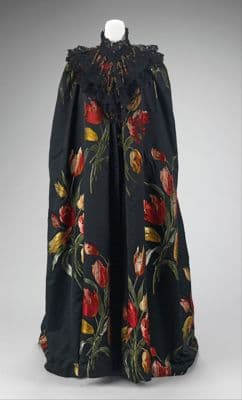
These two cloaks reveal how the Victorian obsession with theatrical drapery evolved from botanical romance to predatory glamour. The earlier French piece transforms the wearer into a walking garden with its hand-painted tulips cascading down midnight velvet, while the American mantle ten years later strips away the florals for something more primal—that luxurious fur trim promising warmth and status in equal measure.
Worn with·evening gownWorn with·gloves
SHARED40 years · cross-culture · cross-category
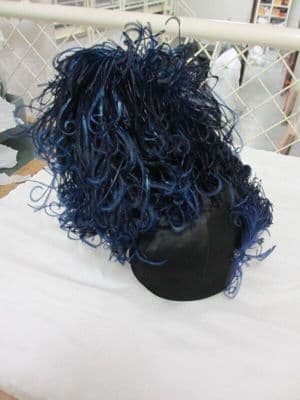
These two pieces speak the same language of theatrical luxury, just whispered at different volumes. The Belle Époque cape commands attention with its sweeping silhouette and that luscious contrast between inky velvet and tawny fur—pure opera-box drama designed to announce your arrival. Four decades later, the navy hat channels that same impulse toward extravagant ornament, but compresses it into a tight explosion of ostrich plumes that quiver with restrained energy.
Pull the Thread→
Follow this garment wherever the graph leads