FASHIONPEDIA
Dove Gray Silk Organza Sheer Button-Front Blouse
2020s · 2020s · Western
Production
ready-to-wear
Material
silk organza
Culture
Western
Movement
Minimalism · Quiet Luxury
Influences
menswear shirting · minimalist tailoring
A precisely tailored button-front blouse constructed from translucent silk organza in dove gray. The garment features a traditional shirt collar, full-length sleeves with fitted cuffs, and a structured button placket running down the center front. The sheer quality of the organza creates a layered transparency effect while maintaining the crisp architectural lines of classic shirting. The fit is closely tailored to the torso, emphasizing clean geometric construction typical of contemporary minimalist fashion. The garment demonstrates technical precision in working with delicate transparent fabrics while referencing traditional menswear shirting codes.
shirtregular fitround neckhip length
Connected To
Influences·minimalist tailoringMovement·MinimalismMovement·Quiet Luxury
Echoes Across Time
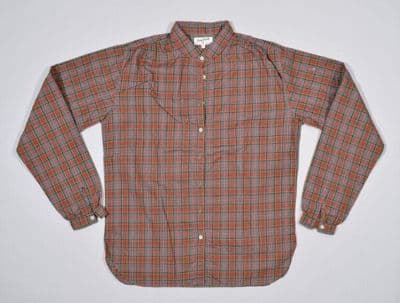
2020s → 1970s · 50yr59%
SHARED
The gray organza blouse takes the foundational architecture of that '70s checked shirt—the crisp collar, button placket, and tailored sleeves—and strips it down to pure transparency, turning workwear practicality into ethereal provocation. Where the vintage cotton shirt speaks in the sensible language of British countryside dressing, all honest checks and sturdy construction, the contemporary piece whispers the same grammar through silk so sheer it barely exists.
Influences·menswear shirting
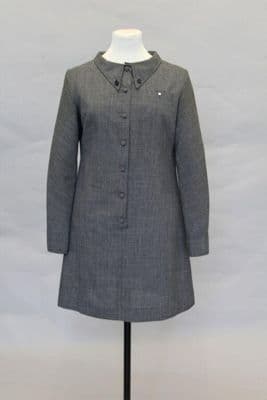
2020s → 1970s
Pull the Thread→
Follow this garment wherever the graph leads