FASHIONPEDIA
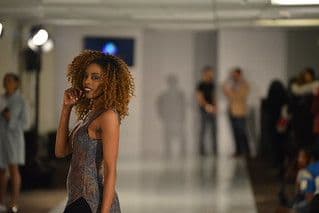
Teal Brown Charcoal Striped Bodycon Mini Dress
2000s · 2000s · American
Production
ready-to-wear
Material
stretch knit
Culture
American
Movement
Y2K
Influences
1990s minimalism · athletic wear silhouettes
A sleeveless mini dress in stretch knit fabric featuring vertical color-blocking in teal blue, brown, and charcoal gray panels. The dress has a deep V-neckline and hits mid-thigh. The bodycon silhouette follows the natural curves of the body through the stretch properties of the knit construction. The vertical striping creates a slimming optical effect typical of early 2000s fashion. The dress appears to be machine-constructed with minimal seaming, relying on the fabric's elasticity for fit rather than traditional tailoring techniques.
dresstight fitv-neckmini
Connected To
Influences·1990s minimalism
SHARED20 years · cross-culture
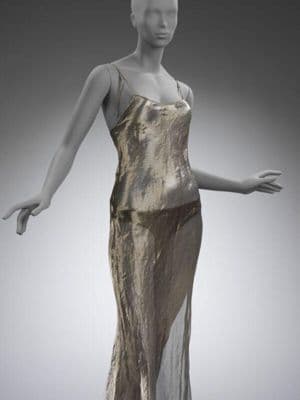
Both dresses mine the same vein of '90s slip-dress sensuality, but twenty years apart they reveal how minimalism has hardened. The earlier charcoal silk moves like liquid mercury with its abstract print dissolving into shadow, while the later teal bandage dress weaponizes the same body-skimming silhouette into something more calculated—those rigid colorblock stripes turning what was once effortless into engineered.
Echoes Across Time
Pull the Thread→
Follow this garment wherever the graph leads