1990s · 1990s · British
Designer
Paul Costelloe
Production
ready-to-wear
Material
linen
Culture
British
Movement
Minimalism
Influences
1990s minimalism · androgynous tailoring
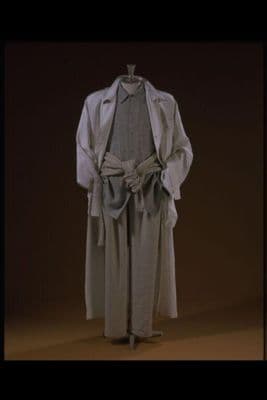
An oversized linen shirt displayed on a mannequin, featuring a relaxed, boxy silhouette characteristic of 1990s minimalist fashion. The shirt appears in pale lavender or off-white linen with a classic collar and button-front closure. The sleeves are rolled up casually, and the shirt is styled untucked over what appears to be sage green or olive-toned trousers or a skirt. The loose, unstructured fit reflects the decade's move toward comfortable, androgynous dressing and the influence of minimalist designers. The natural linen fabric shows subtle texture and drape, embodying the 1990s preference for natural fibers and understated luxury in everyday wear.
Follow this garment wherever the graph leads
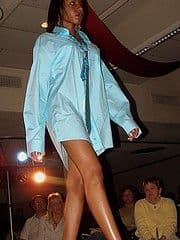
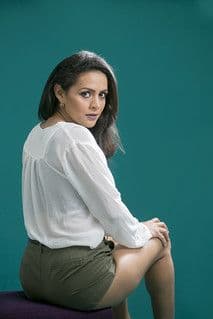
Both shirts speak the same minimalist language of strategic volume, where oversized proportions become a form of architectural restraint rather than excess. The 1990s lavender linen piece, with its deliberately drooped shoulders and elongated sleeves, established the template for using loose fit as a kind of anti-fashion statement — a rejection of the body-conscious 80s that the 2020s white poplin tunic now inherits with its similarly exaggerated proportions and clean lines.
These two pieces speak the same language of deliberate underdressing, where the shirt becomes architecture rather than undergarment. The 1990s linen piece, with its slouchy shoulders and rolled sleeves, established the template for luxury as anti-luxury—that studied nonchalance that made a £300 shirt look like you grabbed it from someone's closet floor.
The nude bodycon dress and that oversized lavender linen shirt are separated by decades and continents, yet both spring from minimalism's core obsession with reduction. Where the '90s British shirt achieves its minimalist effect through deliberate excess—drowning the body in pale, unstructured linen that whispers rather than shouts—the contemporary dress strips away everything but essential form, using stretch knit to create a second skin that's almost architectural in its precision.
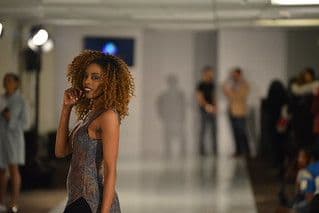
That charcoal slip dress with its fluid drape and abstract pattern carries the same DNA as the oversized lavender linen shirt from three decades earlier — both worship at the altar of effortless minimalism, where the body moves freely beneath forgiving fabric.