FASHIONPEDIA
White Silk Trumpet Wedding Gown with Train
1990s · 2010s · Western
Production
ready-to-wear
Material
silk
Culture
Western
Movement
Minimalism
Influences
1930s bias-cut silhouette · minimalist design philosophy
A sleek trumpet-style gown featuring a fitted strapless bodice that hugs the torso and hips before flaring dramatically at the knees into a full train. The silk fabric appears to have a subtle sheen and flows smoothly over the body's contours. The bodice construction shows clean, minimal lines with no visible embellishment or surface decoration. The silhouette emphasizes the natural waistline and creates an hourglass shape through precise tailoring. The skirt portion extends into a substantial train that pools elegantly on the ground. The overall design reflects contemporary bridal fashion's emphasis on sophisticated simplicity and luxurious fabrication over ornate decoration.
dresstrumpet
Connected To

Influences·minimalist design philosophyMovement·Minimalism
SHARED10 years · cross-culture · cross-category
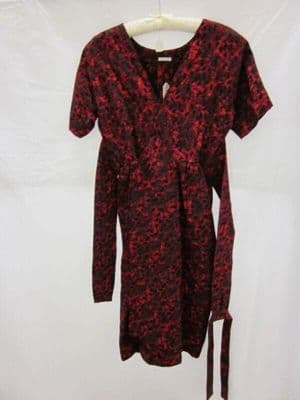
These two white garments speak the same minimalist language across a twenty-year span, but whisper it in completely different registers. The oversized cotton smock channels the 1990s slip dress's radical simplicity—that same commitment to letting fabric do the talking without fuss or ornament—but translates it into something deliberately unstudied and street-ready.

Influences·minimalist design philosophyMovement·Minimalism
SHARED10 years · cross-culture · cross-category
These two pieces reveal how minimalism's clean geometry translates across decades and occasions—the cardigan's deliberate oversized proportions and the gown's sleek, unadorned silhouette both reject ornament in favor of pure form. The cardigan drapes like architectural fabric, while the dress hugs and flares with mathematical precision, yet both achieve their impact through restraint rather than embellishment.
Influences·minimalist design philosophyMovement·Minimalism
SHAREDsame era · cross-culture · cross-category
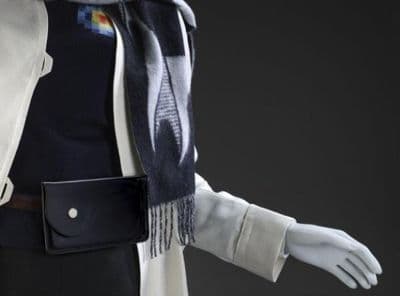
These pieces are separated by decades and function, but they're united by the same ruthless editing that defines minimalism at its best. The wedding gown's clean trumpet silhouette and the crossbody bag's geometric severity both strip away ornament in favor of pure form—the dress lets silk do the talking through its sculptural flare, while the bag makes a statement through its architectural lines and that single, perfectly placed snap closure.
Worn with·strapless braTechnique·couture-constructionFunction·wedding
SHARED175 years · cross-culture
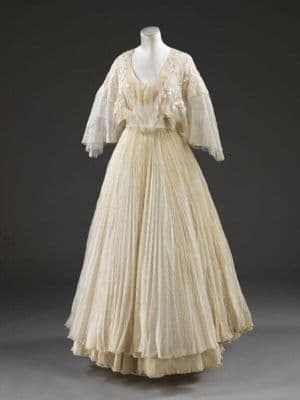
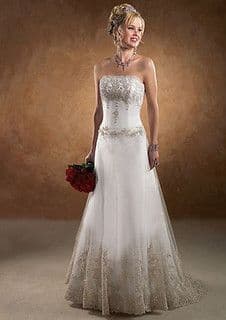
These two gowns reveal how the strapless wedding dress became fashion's most enduring con game. The sleek 1990s silk trumpet hugs the body before flaring dramatically at the knee, all clean lines and architectural precision, while the romantic tulle confection below drowns its wearer in layers of lace appliqué and frothy skirt—yet both depend on the same invisible engineering of boning and internal structure to create their vastly different silhouettes.
Echoes Across Time
1990s → Romantic · 175yr59%
SHARED
These two gowns reveal how the strapless wedding dress became fashion's most enduring con game. The sleek 1990s silk trumpet hugs the body before flaring dramatically at the knee, all clean lines and architectural precision, while the romantic tulle confection below drowns its wearer in layers of lace appliqué and frothy skirt—yet both depend on the same invisible engineering of boning and internal structure to create their vastly different silhouettes.
Worn with·strapless braTechnique·couture-constructionFunction·wedding
Pull the Thread→
Follow this garment wherever the graph leads