V&A
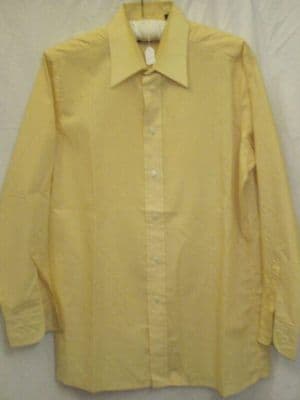
Yellow Cotton Dress Shirt with Pointed Collar
1970s · 1970s · French
Designer
Yves Saint Laurent
Production
ready-to-wear
Material
cotton
Culture
French
Movement
Hippie / Counterculture
Influences
traditional menswear shirting
A yellow cotton dress shirt featuring classic menswear construction with a pointed collar, full-length button placket with white buttons, and long sleeves with button cuffs. The shirt displays traditional tailoring with set-in sleeves, side seams, and a curved hem typical of formal shirting. The bright yellow color reflects the bold color palette embraced during the late 1960s counterculture movement, when fashion began incorporating more vibrant hues into traditional garments. The cotton appears to be a smooth, medium-weight weave suitable for both casual and semi-formal wear, representing the era's shift toward more expressive personal style.
shirt/blouseregular fithip length
Connected To
Influences·traditional menswear shirting
SHARED50 years · cross-culture
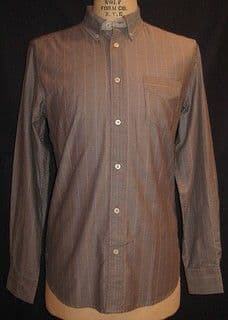
These two shirts reveal how the basic dress shirt has quietly evolved while staying fundamentally the same. The brown pinstripe follows today's slimmer, more fitted silhouette with its narrow placket and close-cut torso, while the yellow 1970s shirt broadcasts that decade's love affair with wider proportions—see that generous spread collar and the way the fabric drapes with more room through the body.
Echoes Across Time
2020s → 1970s · 50yr64%
SHARED
These two shirts reveal how the basic dress shirt has quietly evolved while staying fundamentally the same. The brown pinstripe follows today's slimmer, more fitted silhouette with its narrow placket and close-cut torso, while the yellow 1970s shirt broadcasts that decade's love affair with wider proportions—see that generous spread collar and the way the fabric drapes with more room through the body.
Influences·traditional menswear shirting
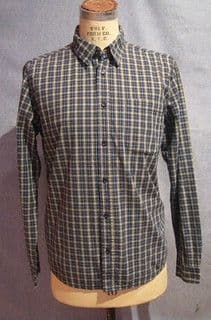
2010s → 1970s · 40yr
Pull the Thread→
Follow this garment wherever the graph leads