V&A
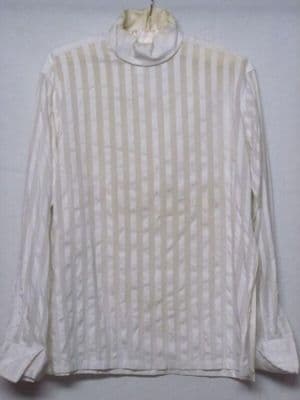
White Cotton Self-Striped Men's Dress Shirt
1970s · 1960s · European
Production
ready-to-wear
Material
cotton
Culture
European
Movement
Hippie / Counterculture
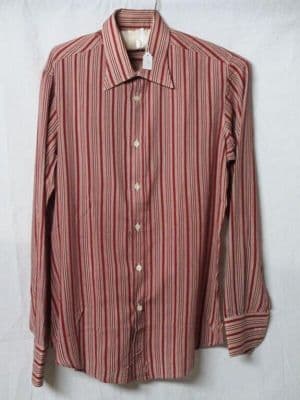
A men's formal dress shirt constructed from white cotton with subtle self-striped texture running vertically through the fabric. The garment features a high band collar without attached tie, long fitted sleeves with button cuffs, and a front button placket. The shirt displays traditional tailoring with set-in sleeves and side seams, creating a close-fitting silhouette typical of formal menswear. The self-striping creates a tonal pattern within the white fabric, adding textural interest while maintaining the shirt's conservative appearance. The construction appears machine-sewn with precise finishing details characteristic of mid-1960s ready-to-wear menswear manufacturing.
shirt/blouseregular fithigh neckhip length
Connected To
Movement·Hippie / Counterculture
LINEAGEsame era · cross-culture→ directed
Lineage: “continental European menswear”
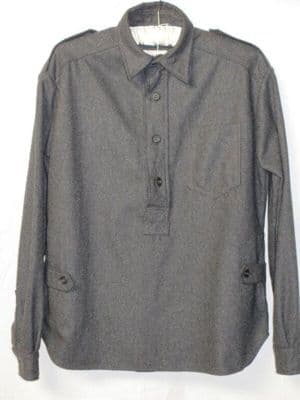
These two shirts trace the journey of 1970s menswear as it loosened up and dropped out. The crisp European dress shirt with its self-striped weave and proper proportions represents the establishment tailoring that counterculture was rebelling against, while the grey flannel blouson—with its casual collar, relaxed silhouette, and utilitarian chest pocket—shows how that rebellion manifested in actual clothes.


Pull the Thread→
Follow this garment wherever the graph leads