V&A
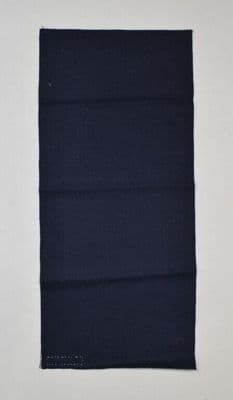
Navy Blue Wool Suiting Fabric
1980s · 1980s · British
Designer
Henry Poole & Co.
Production
artisan-craft
Material
wool suiting
Culture
British
Movement
Power Dressing
Influences
Savile Row tailoring tradition
A length of navy blue wool suiting fabric displaying the fine, dense weave characteristic of premium British tailoring cloth. The fabric appears to be a smooth worsted wool with a matte finish, typical of high-quality suiting materials used by Savile Row tailors. The deep navy color shows subtle variations in tone across the surface, indicating the natural depth of well-dyed wool fibers. The fabric's weight and drape suggest it would create structured, sharp-shouldered silhouettes emblematic of 1980s power dressing. The clean, unadorned surface reflects the period's preference for authoritative, professional appearance through quality materials rather than decorative elements.
Connected To
Movement·Power DressingTechnique·machine-weaving
LINEAGEsame era · cross-culture · cross-category→ directed
Lineage: “menswear suiting tradition”
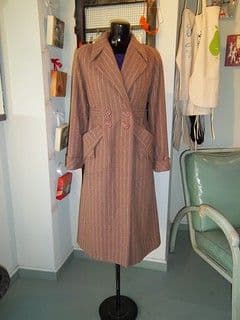
The navy wool suiting and the camel pinstripe coat are bookends of 1980s power dressing—one the raw material of masculine authority, the other its theatrical appropriation. That navy fabric would have been cut into the very suits this double-breasted coat mimics, but where the original spoke in whispers of boardroom tradition, the coat shouts with exaggerated lapels and a silhouette that turns menswear into costume.
Text59%
Image61%
Entity
Movement·Power DressingTechnique·machine-weaving
LINEAGE10 years · cross-category→ directed
Lineage: “British country suiting”
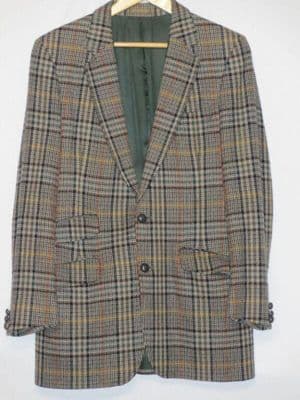
The navy wool suiting fabric holds the DNA of British tailoring tradition—that precise, unforgiving weave that built the backbone of Savile Row—while the glen plaid blazer represents its country cousin, softened with the irregular checks and tweedy texture of weekend estates.
Movement·Power DressingTechnique·machine-weaving
LINEAGEsame era · cross-category→ directed
Lineage: “menswear suiting”
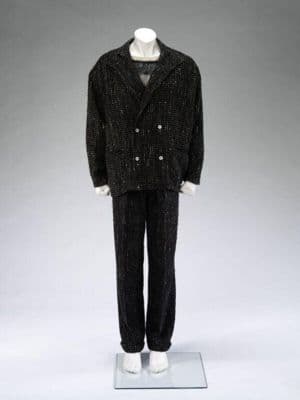
Here's the bloodline of 1980s power dressing laid bare: the navy suiting fabric shows the clean, uncompromising weave that became armor for women storming the boardroom, while the black tweed suit with its scattered green flecks represents that same masculine authority softened just enough to remain unmistakably feminine.
Movement·Power Dressing
LINEAGEsame era · cross-culture · cross-category→ directed
Lineage: “menswear suiting structure”
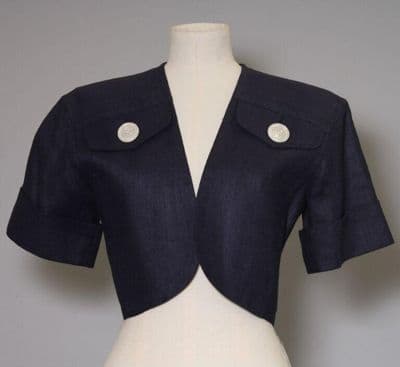
This navy suiting fabric carries the DNA of boardroom authority that would soon migrate into women's wardrobes through pieces like this crisp bolero jacket. The fabric's tight weave and formal weight echo in the jacket's structured shoulders and those two prominent buttons—military-precise details that borrowed masculine tailoring codes to arm women entering corporate battlefields.
Echoes Across Time

Pull the Thread→
Follow this garment wherever the graph leads