V&A
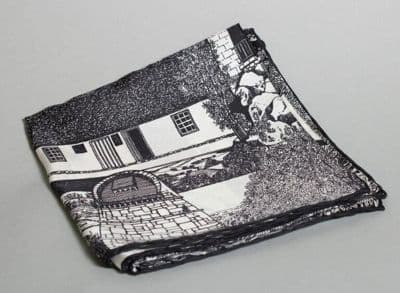
Black White Silk Townscape Print Scarf
1980s · 1980s · British
Designer
Richard Allan
Production
ready-to-wear
Material
silk
Culture
British
Movement
New Romanticism · Power Dressing
Influences
graphic design aesthetics · architectural illustration
A square silk scarf featuring a monochromatic townscape design printed in black and white. The composition depicts stylized buildings with geometric windows, chimneys, and architectural details rendered in a graphic illustration style. The buildings appear to be traditional European-style structures with varying rooflines and facades. The design uses strong contrast between solid black areas and white negative space, creating a bold graphic effect typical of 1980s fashion accessories. The silk appears to have a smooth finish that allows for crisp printing of the detailed architectural motifs. The scarf's edges show clean finishing consistent with commercial production methods.
scarf
Connected To
Movement·New RomanticismMovement·Power Dressing
SHAREDsame era · cross-culture · cross-category
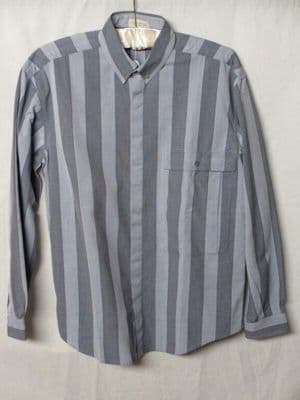
These two pieces capture the 1980s' obsession with graphic precision, but from opposite ends of the decade's schizophrenic personality. The shirt's measured gray stripes embody the era's corporate armor — that relentless march of parallel lines that made every banker look like a human bar code — while the scarf's romantic townscape print reveals the softer underbelly of New Romantic escapism, where pastoral fantasies offered refuge from all that geometric aggression.

Pull the Thread→
Follow this garment wherever the graph leads