SMITHSONIAN
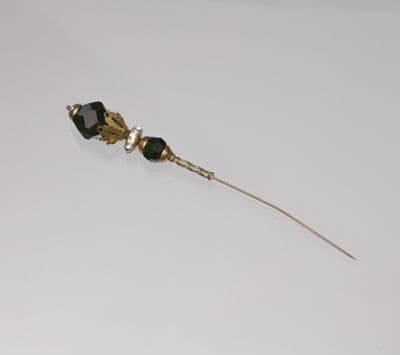
Black Rhinestone Gold Decorated Metal Hatpin
Wartime / Utility Fashion · 1940s · American
Production
mass-produced
Material
metal with rhinestone and plastic
Culture
American
A slender metal hatpin approximately 6-8 inches long featuring decorative elements clustered at the head. The pin displays a black faceted rhinestone as the primary ornament, flanked by smaller gold-toned metal beads or elements and what appears to be amber or brown-colored plastic components. The shaft is thin silver-toned metal, typical of utilitarian wartime production when materials were conserved. The decorative cluster creates visual interest while maintaining the practical function of securing a hat to the hair. This type of modest ornamentation reflects the restrained luxury of the 1940s when precious materials were rationed for the war effort.
hair accessory
Connected To
Worn with·hatTechnique·metalwork
SHARED40 years · cross-culture
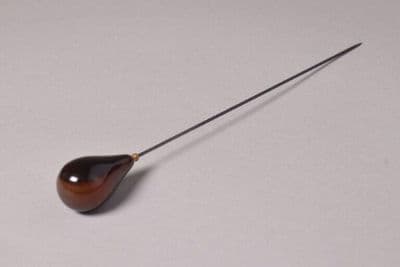
These two hatpins trace the evolution of feminine armor from Edwardian elegance to wartime pragmatism. The French pin's sleek tortoiseshell teardrop speaks to Belle Époque refinement—that smooth, organic form designed to secure elaborate millinery without disrupting the silhouette.
Text73%
Image73%
Entity25%
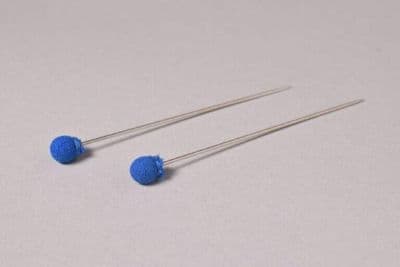
Worn with·hatTechnique·metalwork
SHARED40 years · cross-culture
These two hatpins reveal how the same functional object can telegraph completely different social moments. The wartime American pin, with its dark rhinestone clustered like a jeweled insect on gold wire, speaks to the careful rationing of glamour—a tiny flash of luxury that could survive fabric shortages and metal drives.
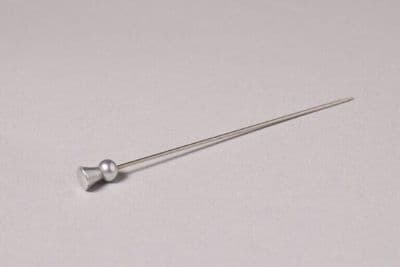
Worn with·hatTechnique·metalwork
SHARED30 years · cross-culture · cross-category
These hat pins trace the evolution of a utilitarian object into wartime glamour, separated by three decades and an ocean but united by their essential function: anchoring a woman's hat to her elaborately dressed hair.
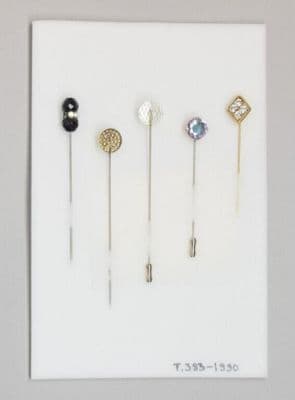
Worn with·hatTechnique·metalwork
SHARED40 years · cross-culture
These hat pins share the Victorian obsession with functional jewelry, but forty years and a world war separate their sensibilities. The sample card displays the Edwardian love affair with variety—delicate filigree, mother-of-pearl, and tiny jeweled confections that whispered refinement—while the standalone pin speaks in wartime's bolder accent, its chunky black rhinestones and gold trim designed to catch light and attention when materials were scarce.
Pull the Thread→
Follow this garment wherever the graph leads