V&A
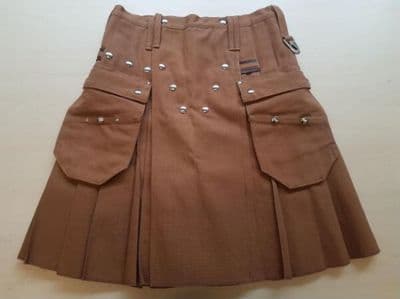
Tan Cotton Drill Utility Kilt with Cargo Pockets
2010s · 2000s · American
Designer
Utilikilt
Production
ready-to-wear
Material
cotton drill
Culture
American
Movement
Alternative Fashion · Gorpcore
Influences
Scottish Highland kilt · American workwear cargo pants
A knee-length pleated kilt constructed from sturdy tan cotton drill fabric, featuring multiple functional cargo pockets with metal snap closures. The garment displays traditional Scottish kilt pleating at the back and sides while incorporating modern workwear elements including large patch pockets on the front panels and smaller utility pockets. Metal hardware including snaps and D-rings provide both functional and aesthetic details. The waistband features belt loops and appears to close with a buckle system. This hybrid garment represents the early 2000s alternative fashion movement that reimagined traditional Scottish Highland dress through the lens of American workwear functionality.
skirta-lineabove-the-knee
Connected To
Movement·Alternative FashionFunction·protest-subculture
SHARED10 years · cross-culture · cross-category
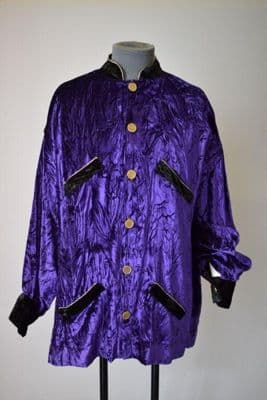
These two pieces speak the same rebellious language, just with different accents. The utility kilt's aggressive cargo pockets and military-inspired hardware echo the oversized jacket's deliberately exaggerated proportions and contrast piping — both garments weaponize functionality as a form of sartorial dissent.
Pull the Thread→
Follow this garment wherever the graph leads