V&A
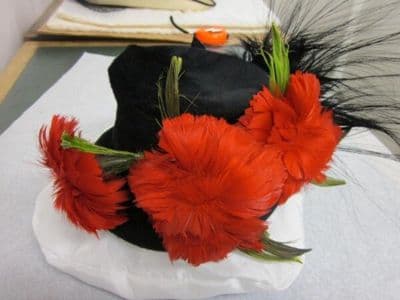
Black Faux Fur Felt Hat with Orange Feathers
Great Depression · 1930s · British
Designer
Erik
Production
haute couture
Material
faux fur felt
Culture
British
Influences
1920s cloche silhouette · theatrical millinery tradition
A dramatic black faux fur felt hat featuring an asymmetrical arrangement of vibrant red-orange feathers and contrasting gray plumes. The base follows a close-fitting cloche silhouette typical of 1930s millinery, with the crown sitting low on the head. Large, ruffled red feathers create bold textural contrast against the smooth felt surface, while wispy gray feathers add movement and height. The feathers appear to be ostrich or similar ornamental plumes, arranged in clusters that extend upward and outward from the hat's left side. This theatrical headpiece reflects the era's taste for dramatic evening accessories that provided glamour during economically challenging times.
hat
Connected To
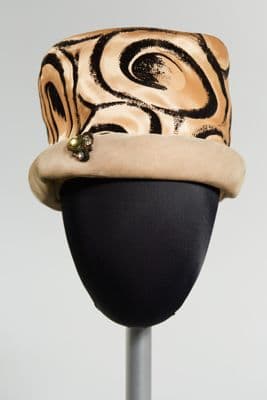
Influences·1920s cloche silhouetteFunction·formal-evening
SHARED40 years · cross-culture
These two hats reveal how the cloche's essential geometry—that close-fitting, bell-shaped crown that hugs the skull—became a template for reinvention across decades and communities. The Depression-era black felt bristles with theatrical orange feathers and plumes, transforming the cloche into millinery drama, while the 1970s cream satin version strips away ornament for bold graphic swirls that read almost like Op Art across its smooth dome.
Text74%
Image75%
Entity35%
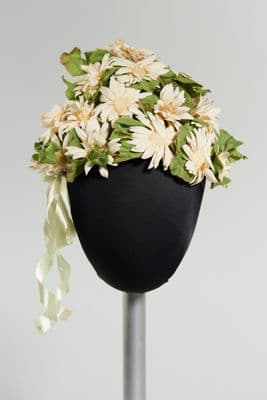
Influences·1920s cloche silhouette
SHARED40 years · cross-culture
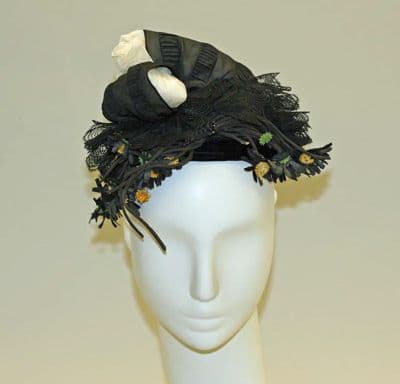
These two black cloches reveal how the same silhouette can telegraph completely different messages across four decades. The Depression-era hat bristles with theatrical orange feathers and fur trim—a defiant flash of color when such flourishes required real sacrifice—while the 1970s version whispers with demure white daisies that nod to the era's nostalgic romance.
Text
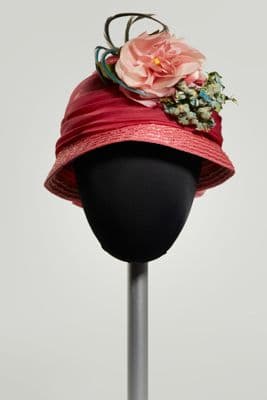
Influences·1920s cloche silhouette
SHARED30 years · cross-culture
These two hats speak the same millinery language across the Depression's divide, both deploying the cloche's skull-hugging geometry as a canvas for theatrical botanical excess. The earlier pink straw version shows the 1920s at full tilt—that crisp brim and geometric crown typical of the decade's machine-age optimism, while the later black felt piece reveals how the silhouette survived into leaner times by trading sleek modernism for more romantic, almost desperate flourishes.
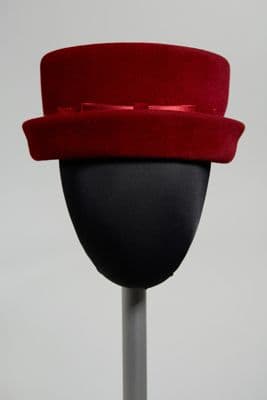
Influences·1920s cloche silhouette
SHARED20 years · cross-culture
These two hats reveal how the cloche's democratic appeal survived its own supposed death. The 1930s black felt with its riot of orange feathers and gray fur trim shows the silhouette's Depression-era mutation — still hugging the skull like a proper cloche, but now theatrical enough to distract from bread lines.
Text77%
Pull the Thread→
Follow this garment wherever the graph leads